
 English
 Español
Content
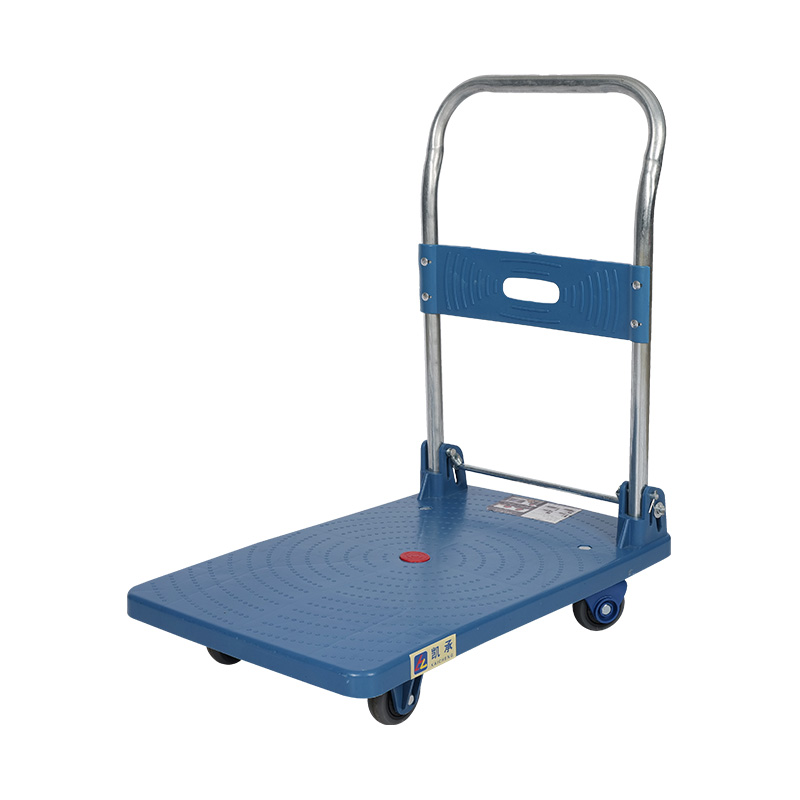
Defining a Quality Heavy-Duty Folding Trolley
A good heavy-duty folding trolley cart is defined by a rated dynamic load capacity of at least 300 kg (660 lbs), a reinforced steel or aluminum alloy frame, and industrial-grade casters with sealed bearings. Unlike standard utility carts, true heavy-duty models maintain structural integrity and maneuverability even when fully loaded, while still collapsing to a compact footprint for storage or transport. The critical differentiator is not just peak weight tolerance, but the cart's ability to withstand repeated loading cycles, uneven terrain, and lateral forces without joint play, wheel failure, or platform deformation.
Selecting the right unit requires matching specifications to actual operational demands rather than marketing claims. A cart rated for 500 kg static load may fail prematurely under 200 kg dynamic rolling loads if wheels are undersized or the folding mechanism lacks positive locking. Prioritize verified test data, warranty terms covering commercial use, and replaceable wear components over lowest initial price to minimize total cost of ownership in demanding environments.
Load Capacity and Structural Integrity
Understanding the distinction between static and dynamic ratings prevents catastrophic field failures. Manufacturers often advertise maximum static loads that do not reflect real-world rolling conditions where impact forces multiply effective stress on joints and wheels.
| Class | Dynamic Rating | Frame Material | Typical Use Case |
|---|---|---|---|
| Medium Duty | 150–250 kg | Aluminum / Thin Steel | Warehousing, light manufacturing |
| Heavy Duty | 300–500 kg | Reinforced Steel Tube | Construction, automotive, logistics |
| Extra Heavy Duty | 500–1000+ kg | Structural Steel Channel | Steel mills, foundries, shipyards |
Folding Mechanism Reliability
The folding joint is the most common failure point in heavy-duty applications. Look for positive mechanical locks with redundant safety pins or spring-loaded detents that prevent accidental collapse during transit. Hinge pivots should use hardened steel bushings or sealed bearings rather than plastic inserts, which deform under sustained heavy loads. Test the lock engagement audibly and visually before each use; any detectable play or incomplete seating indicates immediate service need.
Platform Construction Standards
- Steel mesh platforms offer debris fall-through and drainage but require cross-bracing every 300mm to prevent sagging above 300kg.
- Solid steel plate (3mm minimum) provides uniform support for small-footprint loads but adds tare weight and traps liquids.
- Aluminum extrusion decks balance strength and weight for mobile applications but have lower point-load tolerance than steel.
Wheel and Caster Selection for Heavy Loads
Wheels determine 70% of a heavy-duty cart’s real-world usability. Undersized or inappropriate casters increase rolling resistance exponentially, making fully loaded carts difficult to start, stop, or steer safely. Wheel diameter, tread width, bearing type, and floor compatibility must align with both load requirements and operating environment.
Diameter and Rolling Resistance
Larger wheels roll more easily over obstacles and reduce starting force. For loads exceeding 300 kg, minimum 200mm (8-inch) diameter wheels are recommended; 250mm or larger significantly improves performance on cracked concrete, thresholds, and debris. Each 25mm increase in diameter reduces rolling resistance by approximately 10–15% on typical industrial floors.
Tread Material and Floor Protection
- Polyurethane (PU): Best all-around choice; high load capacity (up to 500kg/wheel), excellent floor protection, oil-resistant, and quiet operation.
- Nylon/Phenolic: Highest load ratings and heat resistance for extreme duty, but loud and can mark soft floors.
- Rubber: Superior cushioning and traction but lower load limits and prone to flat-spotting under static heavy loads.
- Cast Iron: Maximum durability for abrasive outdoor/yard use but damages finished floors and transmits shock to cargo.
Bearing and Swivel Specifications
Sealed precision ball bearings or roller bearings are mandatory for heavy-duty service; plain bore or Delrin bushings bind under load and accelerate wear. Swivel heads should feature double-ball raceways with grease zerks for maintenance access. Fixed casters should be aligned within 0.5° to prevent tracking drift that increases operator fatigue and tire scrubbing over long distances.
Safety Features and Ergonomic Design
Beyond load capacity, ergonomic and safety features determine daily usability and injury prevention. Heavy loads amplify minor design flaws into significant hazards during routine handling.
- Handle height and grip: Optimal push handle position is 900–1050mm from floor; angled grips reduce wrist strain versus vertical bars. Padded or textured surfaces improve control when wet or gloved.
- Braking systems: Total-lock brakes engaging both wheel rotation and swivel are essential for inclines or loading docks. Verify brake holding capacity matches cart rating; many aftermarket brakes are rated below cart capacity.
- Corner guards and bumpers: Protect walls, equipment, and operators from impact damage during tight maneuvers. Rubber or polyethylene buffers absorb energy better than bare steel edges.
- Folded stability: Cart must remain stable in collapsed position without tipping; self-standing designs with wide base footprint prevent storage-area accidents.
Always verify third-party testing certifications such as EN 1757-3 (industrial trucks safety) or ANSI MH16.1. Reputable manufacturers publish test reports detailing dynamic load cycles, brake holding tests, and stability assessments. Avoid carts lacking documented compliance, as liability exposure from workplace injuries far exceeds procurement savings from unverified products.