

 English
 Español
Content
- 1 A realistic cost breakdown starts with the media fee
- 2 Format matters: static vs digital
- 3 Location, traffic, and audience profile
- 4 Production and installation are separate line items
- 5 Permitting, maintenance, and unexpected costs
- 6 How to read CPM and compare quotes
- 7 Contract length and buying strategy
- 8 How to plan a realistic budget
- 9 The bottom line
A realistic cost breakdown starts with the media fee
Billboard advertising cost breakdown is not a one-number answer. The media fee is the largest line item, but production, installation, permits, and maintenance can push a simple four-week campaign into a five-figure budget. In smaller markets, static boards may run from $250 to $2,000 per cycle. In mid-sized cities, $2,000 to $8,000 is common. In premium urban locations, the same four weeks can exceed $50,000. Digital boards usually price higher than static boards at the same location because the operator carries screen replacement and network maintenance costs.
Format matters: static vs digital
Static billboards are cheaper to produce, but they require a vinyl print and an installation crew. Digital billboards are more expensive to rent, yet they allow you to rotate multiple messages and avoid repeat printing. When you compare the two, do not stop at the media fee. Ask for the CPM and check whether the digital board is running in a loop. A board that shares the screen with three other advertisers only delivers a fraction of the impression count.
| Format | Four-week media fee | Typical CPM |
|---|---|---|
| Static rural | $250 - $1,500 | $2.50 - $5.00 |
| Static suburban | $1,000 - $5,000 | $1.50 - $4.00 |
| Digital urban | $3,500 - $25,000 | $1.00 - $3.00 |
| Premium metro | $8,000 - $50,000+ | $0.80 - $2.50 |
These ranges are only a starting point. They reflect market averages that you are likely to see from media owners, not the final cost.
Location, traffic, and audience profile
Location is the strongest single price driver. A board near a highway interchange with 200,000 daily vehicles will command a higher fee than a board on a quiet retail street. Raw traffic is not the whole story. The audience profile matters as well. A location that reaches commuters with a high median income can be worth more than a location with more traffic but a less relevant audience. Seasonal demand also moves pricing. Outdoor advertising rates often spike around holidays, and certain events create short-term scarcity.
Production and installation are separate line items
Media fees are only part of a billboard advertising cost breakdown. For a static board, you need creative design, a weather-resistant vinyl print, permits (if the media owner does not handle them), and an installation crew. You may also need to pay for a crane or a bucket truck. These costs can add 10 to 25 percent to the first cycle. For a digital board, the operator usually handles scheduling and screen maintenance, but you still need creative production and possibly a data contract for programmatic delivery.
If the board is part of a larger structure, the material quality of the steel frame and the protective finish will affect total ownership cost. A supplier that produces weatherproof outdoor advertising light boxes or digital scrolling billboards can reduce the risk of premature fading, rust, and structural repair.
When a display is integrated into a transit shelter or a public utility cabinet, the billboard becomes one part of a purpose-built structure. Smart shelters have to handle power, connectivity, lighting, and weather protection. A manufacturer that already builds smart bus shelters and custom bus shelters can match the structural tolerance to the local environment.
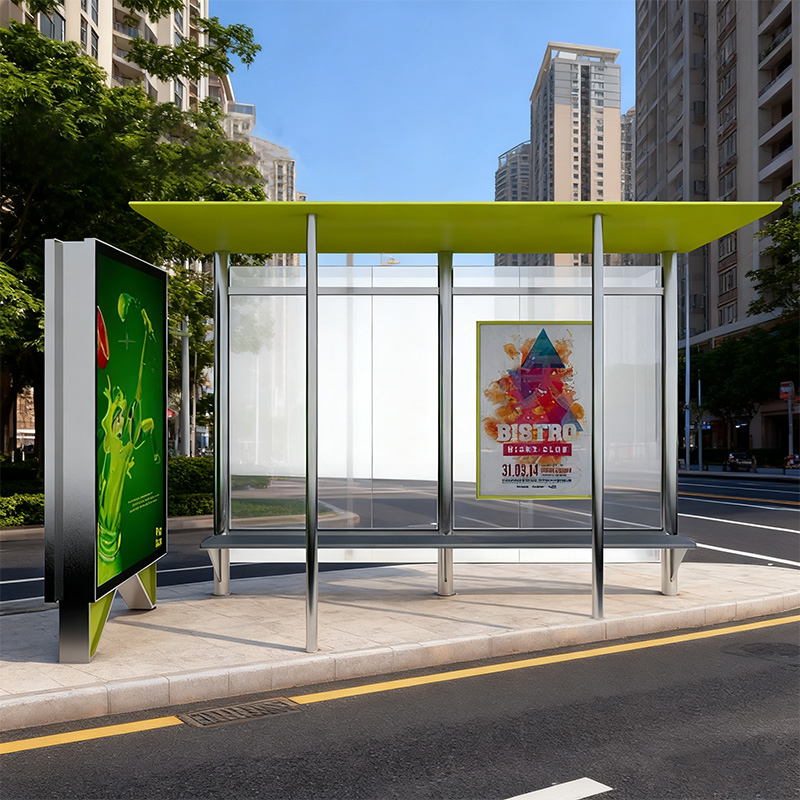 AH-2769 Smart Bus Shelter with LED Lighting and Digital DisplaysThis 3300mm by 1600mm by 2800mm shelter is built from hot-dip galvanized steel and integrates LED lighting, digital displays, and smart monitoring options. It suits transit hubs needing weather-resistant, tech-enabled waiting areas.View Product →
Custom fabrication matters even more when the board shape, mounting system, or enclosure is not a standard catalog item. A supplier that supports customization can adjust the steel thickness, surface treatment, and drainage details without turning the whole project into an engineering exercise.
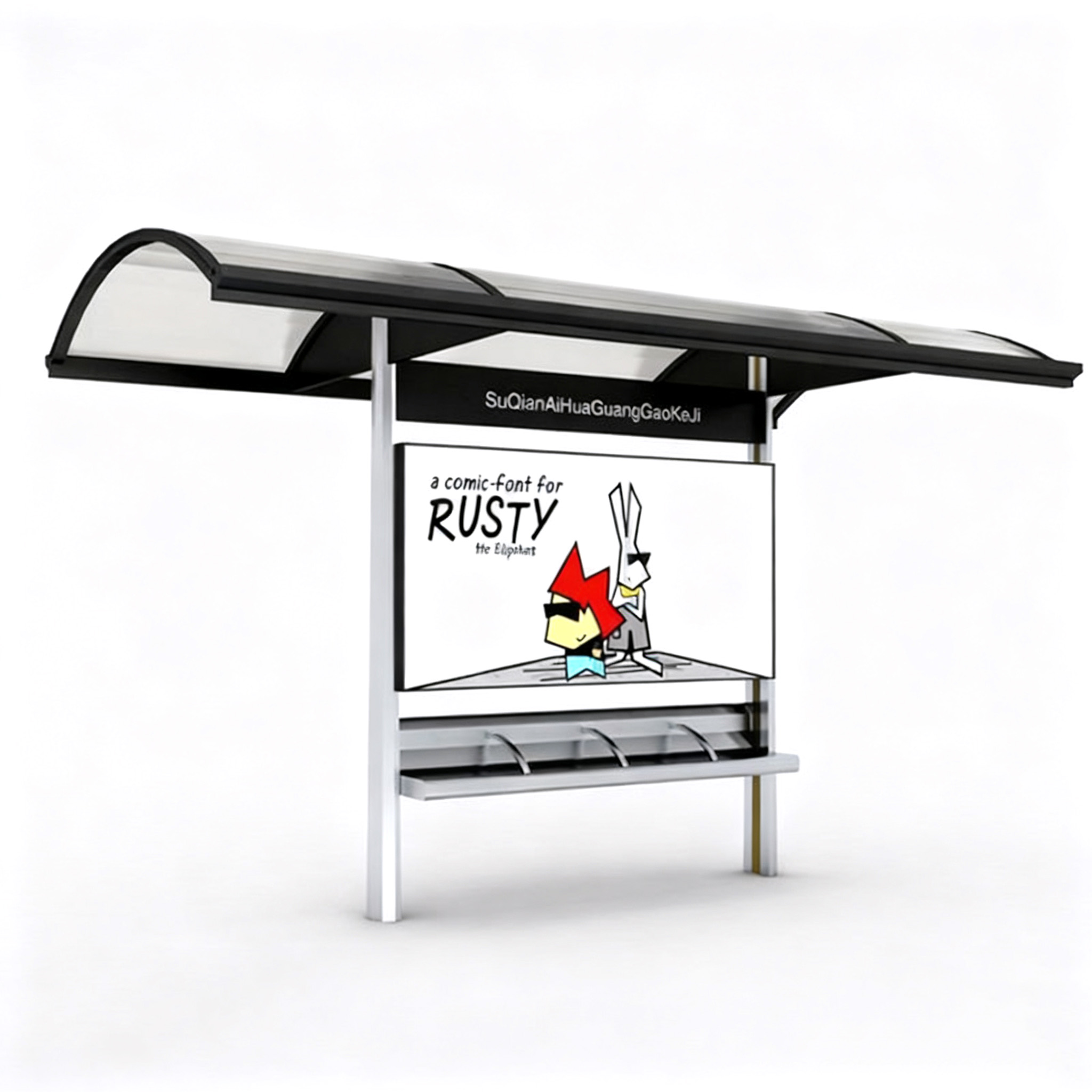 Customizable AH-3059 Bus Shelter with Adjustable Size and LayoutOffering flexible design adjustments in size, color, layout, and materials, this 4000mm by 2000mm by 2600mm hot-dip galvanized steel shelter is ideal for projects requiring tailored structural tolerances.View Product →
Permitting, maintenance, and unexpected costs
Outdoor advertising can carry a long tail of operational costs. Local permits, zoning renewals, and right-of-way fees are billed at different intervals. If a billboard is damaged by wind, hail, or snow, the repair cost depends on who owns the structure. Renting from a media company usually places that burden on the operator. If you own the billboard, making sure the foundation, sign face, and electrical system are built with corrosion-resistant materials is not an optional expense. It is a performance decision.
Hot-dip galvanized steel sheet is one example of a finish that protects outdoor structures through freeze-thaw cycles and salt air. It is not a line item that appears in every quote, but it changes the long-term maintenance budget.
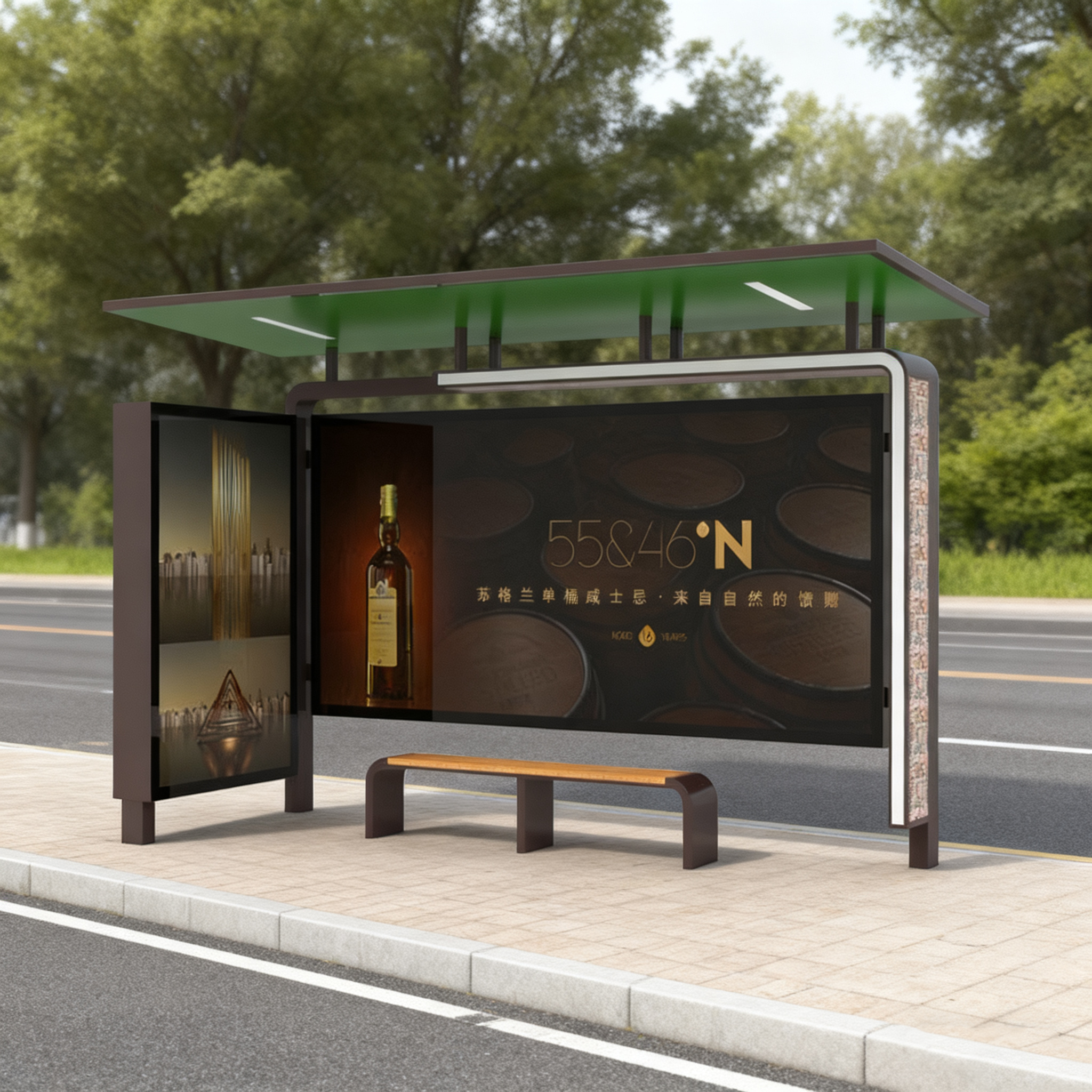 HL-2023-0009 Hot-Dip Galvanized Steel Bus Shelter for Corrosion ResistanceThis 4500mm by 1600mm by 2974mm shelter features a hot-dip galvanized steel sheet finish that resists rust and harsh weather, reducing long-term maintenance costs for outdoor installations.View Product →
How to read CPM and compare quotes
CPM is the cost per thousand impressions. It is the closest thing to a common yardstick for outdoor advertising. The published CPM for a digital board is usually based on share of voice, not the full available traffic. If the screen rotates among three advertisers, you are receiving roughly one-third of the available impressions, and the CPM should be calculated on that basis. Ask the operator for a posting report or validated loop count.
Contract length and buying strategy
Rates are flexible. Longer contracts usually lower the four-week fee, but they also tie up budget. A 12-month commitment may be attractive if the location has proven year-round traffic. For an initial test, a single four-week rotation or an off-peak period can be enough to see whether the creative pulls the right response. If you work with a small business budget, start with one board, negotiate an off-peak window, and avoid high-cost production until the location has been validated.
How to plan a realistic budget
Use the same three-layer structure for every quote: media fee, production and installation, then maintenance and permit costs. Keep these six points on your checklist:
- Define the campaign objective and target area.
- Set the media fee plus 15 to 25 percent for production and installation.
- Confirm the exact CPM or share of voice for digital boards.
- Ask who handles permits and right-of-way fees.
- Ask who owns repair and maintenance obligations.
- Account for creative rotation and replacement costs for static boards.
The billboard advertising cost breakdown should always include these layers. The tricky part is not the media rate. It is the trailing costs that appear after the contract is signed.
The bottom line
A realistic billboard advertising cost breakdown has three parts: media fee, production and installation, then maintenance and permits. A small market static board can be planned for a few hundred dollars per month, while a premium digital location can require a significant annual commitment. The most efficient budget is one that protects the media fee, keeps production lean, and verifies the audience measurement before the sign goes live.


