
 English
 Español
Content
Essential Elements of Effective Bus Shelter Design
A well-designed bus shelter increases public transit ridership by up to 30% by providing comfort, safety, and reliable information to commuters. The most effective structures balance durability with user experience, incorporating weather protection, clear visibility, and accessible seating while maintaining low long-term maintenance costs.
Modern bus shelters have evolved from simple roofed benches into sophisticated urban infrastructure components. They serve as critical touchpoints in the public transportation network, influencing how passengers perceive the reliability and quality of the entire transit system. A poorly maintained or designed shelter can discourage usage, while a functional, clean, and informative structure encourages regular commuting.
Core Structural Components
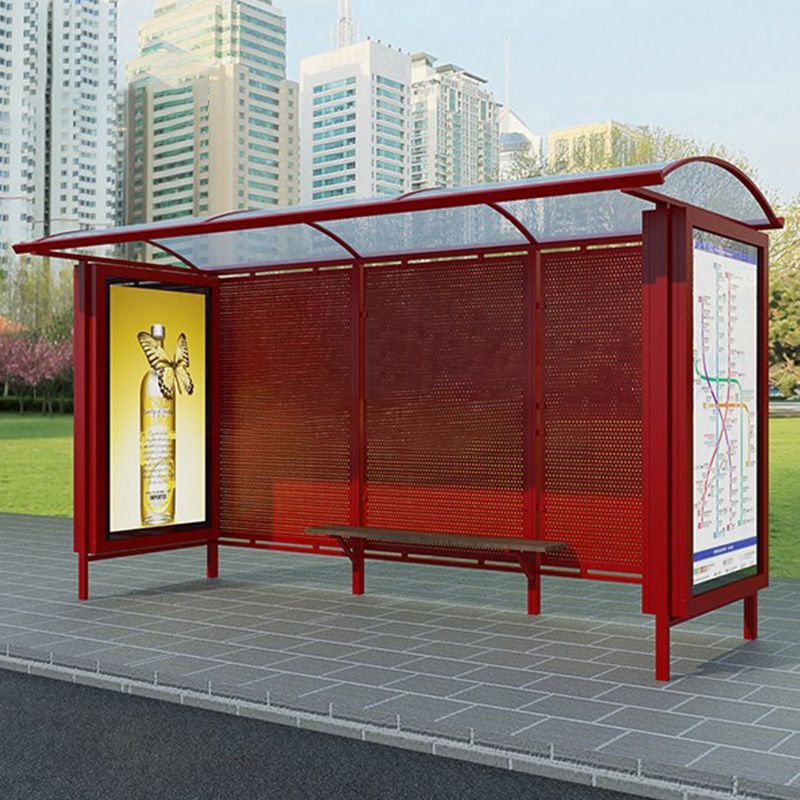
- Roofing: Must provide complete coverage against rain and snow, typically extending at least 2 feet beyond the seating area
- Windbreaks: Side panels protect against wind-driven rain and cold, usually covering 50-70% of the shelter's perimeter
- Seating: Ergonomic benches made of durable materials like powder-coated steel or treated wood, positioned for easy access
- Lighting: LED fixtures ensuring visibility and safety during nighttime hours, with motion sensors to conserve energy
The integration of these elements determines the shelter's usability. For instance, shelters with adequate lighting see 40% higher usage rates after dark compared to unlit structures, directly impacting late-shift workers and evening commuters.
Material Selection for Durability and Cost Efficiency
Choosing the right materials for a bus shelter is crucial for minimizing lifecycle costs. Aluminum and stainless steel frames offer the best balance of strength and corrosion resistance, lasting 20-25 years with minimal upkeep, whereas cheaper alternatives may require replacement within a decade.
Frame Materials Comparison
| Material | Lifespan | Maintenance Level | Initial Cost |
|---|---|---|---|
| Aluminum | 20-25 years | Low | Medium-High |
| Stainless Steel | 25+ years | Very Low | High |
| Galvanized Steel | 15-20 years | Medium | Medium |
| Wood/Timber | 10-15 years | High | Low-Medium |
Glazing and Panel Options
Polycarbonate panels are increasingly preferred over traditional glass for bus shelters. They are up to 250 times more impact-resistant than glass and significantly lighter, reducing structural load requirements. While tempered glass offers superior scratch resistance, polycarbonate's shatterproof nature makes it safer in high-traffic urban environments where vandalism or accidental impact is a concern.
For advertising panels, acrylic sheets provide excellent clarity and UV resistance, ensuring that printed materials remain vibrant for longer periods. Combining different materials allows designers to optimize for specific environmental conditions, such as using anti-graffiti coatings on panels in areas prone to vandalism.
Integrating Technology and User Information
Modern bus shelters are becoming smart infrastructure hubs. Real-time arrival displays reduce perceived wait times by 20-30%, making the commuting experience less stressful and more predictable. Integrating digital technology transforms a passive waiting space into an interactive information point.
Real-Time Passenger Information (RTPI)
RTPI systems use GPS data from buses to display accurate arrival times on digital screens. These displays should be positioned at eye level and angled to avoid glare from sunlight. High-brightness LED screens are essential for visibility during daytime, while automatic dimming features ensure they don't become distracting at night.
Connectivity and Power Solutions
- USB Charging Ports: Provide convenience for commuters, encouraging longer stays and increased satisfaction
- Wi-Fi Hotspots: Offer internet access, turning wait time into productive time for users
- Solar Power Integration: Reduces reliance on grid electricity, lowering operational costs by up to 60% for lighting and digital displays
Solar-powered shelters are particularly effective in sunny regions, where photovoltaic panels mounted on the roof can generate sufficient energy to power LED lighting, digital screens, and USB ports independently. These off-grid solutions eliminate trenching costs for electrical connections, making them ideal for remote or newly developed areas.
Accessibility and Universal Design Principles
Compliance with accessibility standards is not just a legal requirement but a fundamental aspect of inclusive urban design. A bus shelter must accommodate users of all abilities, including those using wheelchairs, walkers, or visual aids. Failure to do so excludes a significant portion of the population from using public transit effectively.
Key Accessibility Features
- Clear Floor Space: Maintain a minimum 5x5 foot clear area for wheelchair maneuvering, free from benches or obstacles
- Tactile Guidance: Install tactile paving strips leading from the sidewalk to the shelter entrance for visually impaired users
- Contrasting Colors: Use high-contrast colors for structural elements and signage to aid users with low vision
- Accessible Seating: Include benches with armrests and back support, positioned at a height of 17-19 inches for easy transfer
Signage and Wayfinding
Signage should use large, sans-serif fonts with high contrast ratios. Braille translations for route information and shelter identification numbers are essential for inclusivity. Properly placed signage reduces confusion and anxiety for first-time users, contributing to a more welcoming transit environment.
Lighting levels also play a role in accessibility. Uniform illumination without harsh shadows helps users navigate the shelter safely, particularly those with mobility challenges who need to see potential tripping hazards clearly.
Maintenance Strategies for Long-Term Performance
Regular maintenance is the key to extending the lifespan of a bus shelter and ensuring it remains safe and inviting. A proactive maintenance schedule can reduce repair costs by 40-50% compared to reactive fixes and prevents minor issues from escalating into major structural failures.
Routine Cleaning Schedule
| Component | Frequency | Action Required |
|---|---|---|
| Glass/Panels | Weekly | Clean with non-abrasive cleaner to remove graffiti and dirt |
| Seating | Weekly | Wipe down and inspect for loose bolts or damage |
| Lighting | Monthly | Check bulb function and clean lenses for maximum brightness |
| Structural Frame | Quarterly | Inspect for corrosion, loose connections, or foundation shifts |
| Digital Displays | Monthly | Update software, clean screens, and check connectivity |
Vandalism Prevention and Repair
Using anti-graffiti coatings on panels allows for easy removal of spray paint with mild solvents, reducing cleanup time and cost. Installing shatter-resistant polycarbonate instead of glass minimizes replacement expenses from breakage. Shelters with good visibility and lighting experience 60% less vandalism due to natural surveillance from passersby and traffic.
Prompt repair of damaged components is crucial. A broken panel or missing bench sends a signal of neglect, which can encourage further vandalism. Establishing a rapid response team for repairs ensures that shelters remain functional and aesthetically pleasing, reinforcing community pride and respect for public infrastructure.