

 English
 Español
Content
Why Your Dog Needs a Wagon
A wagon designed for dogs provides a safe, comfortable transportation solution for pets who can't walk long distances due to age, injury, or physical limitations. Dog wagons serve elderly dogs, post-surgery recovery, multi-pet households, and outdoor adventures where your companion needs rest breaks. Unlike traditional carriers, wagons offer superior ventilation, more space, and easier access for both you and your pet.
According to veterinary studies, approximately 20% of dogs over age 8 experience mobility issues, making alternative transportation essential for maintaining their quality of life. Dog wagons allow these pets to continue enjoying walks, trips to the park, and family outings without physical strain.
Key Features to Look for in a Dog Wagon
Weight Capacity and Size
The most critical factor is matching the wagon's capacity to your dog's weight. Standard dog wagons support 50-150 pounds, while heavy-duty models accommodate up to 220 pounds. Measure your dog's length from nose to tail base and add 6-8 inches to ensure comfortable space for turning and lying down.
| Dog Size | Recommended Wagon Dimensions | Weight Capacity |
|---|---|---|
| Small (under 20 lbs) | 20" x 12" x 10" | Up to 50 lbs |
| Medium (20-50 lbs) | 30" x 18" x 12" | Up to 110 lbs |
| Large (50-80 lbs) | 38" x 20" x 14" | Up to 150 lbs |
| Extra Large (over 80 lbs) | 42" x 24" x 16" | Up to 220 lbs |
Wheel Design and Terrain Compatibility
Wheel configuration dramatically affects maneuverability and comfort. Air-filled rubber tires measuring 10-12 inches provide the smoothest ride on uneven terrain, while solid plastic wheels work well on pavement but transmit more vibration. Four-wheel designs offer stability, while two-wheel models are lighter and easier to store.
Safety Features
Essential safety elements include:
- Internal tether attachments to secure your dog's harness
- Parking brakes to prevent rolling on inclines
- Reflective strips or panels for visibility during evening walks
- Zippered mesh windows that prevent escape while allowing airflow
- Removable, washable interior padding for hygiene
Types of Dog Wagons and Their Best Uses
Standard Pet Stroller Wagons
These enclosed models resemble baby strollers with mesh windows and canopy covers. Standard pet stroller wagons excel in urban environments where protection from weather, traffic noise, and other animals is important. They typically weigh 15-25 pounds empty and fold for vehicle transport. Best for small to medium dogs up to 55 pounds.
Heavy-Duty Utility Wagons
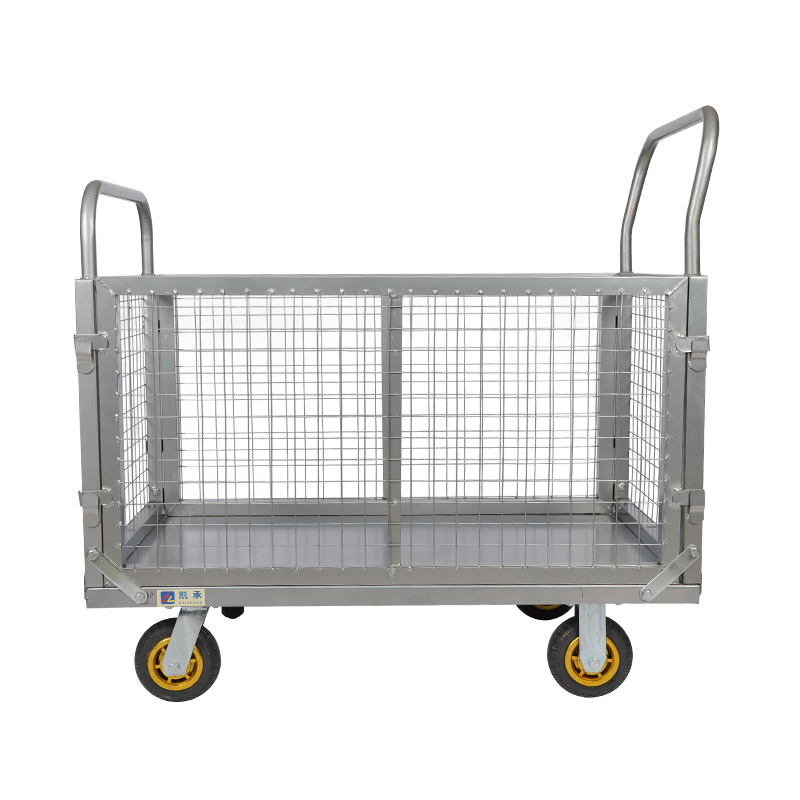
Built with reinforced steel frames and all-terrain wheels, these open-top wagons handle larger breeds and rugged conditions. Heavy-duty wagons support 150-220 pounds and feature lower entry points for easier access. Popular among owners of senior Golden Retrievers, Labrador Retrievers, and German Shepherds. The open design allows multiple dogs or gear alongside your pet.
Convertible Bicycle Trailers
These dual-purpose wagons attach to bicycles for rides and convert to hand-pulled wagons for walking. Bicycle trailer wagons are ideal for active owners who want to include their dogs in cycling adventures. They include safety flags, additional reflectors, and reinforced hitch systems. Weight limits range from 75-110 pounds depending on the model.
Folding Beach Wagons
Designed with oversized wheels and breathable fabric, beach wagons navigate sand, gravel, and grass with minimal effort. They collapse to a compact size for car storage and typically include cup holders, storage pockets, and adjustable handles. Weight capacity averages 100-150 pounds.
How to Train Your Dog to Use a Wagon
Successful wagon introduction requires patience and positive reinforcement. Most dogs adapt to wagons within 5-10 training sessions when using gradual desensitization techniques.
- Place the stationary wagon in your home for 2-3 days, allowing your dog to investigate at their own pace
- Add treats and favorite toys inside to create positive associations
- Encourage your dog to step in voluntarily, rewarding with high-value treats
- Close the enclosure briefly while offering continuous treats
- Rock the wagon gently to simulate movement before actual pulling
- Take short 2-3 minute pulls around your yard or driveway
- Gradually extend duration and introduce new environments
For anxious dogs, veterinarians recommend spreading this process over 2-3 weeks rather than rushing acceptance. Calming aids like pheromone sprays can be applied to the wagon's interior fabric.
Maintenance and Care Tips
Cleaning and Hygiene
Clean your dog wagon after every 3-5 uses to prevent odor buildup and bacteria growth. Remove fabric components and machine wash in cold water with pet-safe detergent. Wipe down the frame with diluted vinegar solution (1 part vinegar to 3 parts water) to disinfect without harsh chemicals. Allow all parts to air dry completely before reassembly.
Wheel and Brake Maintenance
Inspect tires monthly for wear patterns, embedded debris, and proper inflation. Air-filled tires should maintain 20-25 PSI pressure for optimal performance. Lubricate wheel axles and brake mechanisms every 3 months using silicone-based lubricant. Replace worn tires when tread depth falls below 2mm to maintain traction.
Storage Best Practices
Store your wagon in a dry, temperature-controlled space to prevent fabric mildew and metal rust. If folding for storage, ensure all mechanisms are completely dry and lightly lubricated. UV exposure degrades fabric strength by up to 30% annually, so avoid leaving wagons in direct sunlight when not in use.
Common Mistakes to Avoid
Many first-time wagon owners make preventable errors that compromise safety and comfort:
- Overloading beyond rated capacity stresses frame joints and increases tipping risk by 300%
- Using wagons without tether attachments allows dogs to jump out unexpectedly
- Selecting wagons based solely on price without considering your dog's specific needs
- Failing to provide water during extended outings—dogs in wagons still need hydration every 30 minutes
- Leaving dogs unattended in enclosed wagons, which can reach dangerous temperatures within 10 minutes
- Ignoring terrain limitations—standard wheels struggle on stairs, steep hills, and loose sand
Cost Considerations and Budget Planning
Dog wagons range from $60 for basic models to $400+ for premium heavy-duty options. The investment pays dividends when you consider veterinary transport fees ($50-100 per trip) and the extended mobility your pet gains.
| Price Range | Features | Best For |
|---|---|---|
| $60-$120 | Basic frame, plastic wheels, minimal padding | Occasional use, small dogs, smooth surfaces |
| $120-$200 | Air tires, better suspension, washable fabrics | Regular use, medium dogs, varied terrain |
| $200-$300 | Reinforced frame, all-terrain wheels, weather protection | Frequent use, large dogs, outdoor adventures |
| $300+ | Premium materials, dual functionality, extended warranties | Daily use, multiple/extra-large dogs, maximum durability |
Additional costs include replacement parts (wheels average $25-45 per set) and optional accessories like cooling mats ($20-35) or custom cushions ($30-60). Quality wagons last 5-8 years with proper maintenance, making the per-year cost quite reasonable.
Special Considerations for Senior and Disabled Dogs
Dogs with arthritis, hip dysplasia, or neurological conditions require wagon features beyond standard models. Orthopedic foam padding at least 2 inches thick reduces pressure points during transport. Look for models with adjustable entry ramps rather than high sides that require lifting.
For dogs recovering from surgery, consult your veterinarian about appropriate wagon use timing. Most veterinarians approve wagon transport 48-72 hours post-surgery for non-weight-bearing procedures. Ensure the wagon interior is wide enough for your dog to lie flat without curling, as restricted positions can impede healing.
Temperature regulation becomes critical for senior dogs with compromised thermoregulation. Select wagons with removable sun canopies for summer and add insulated liners for winter outings. Senior dogs are 40% more susceptible to heat stress compared to younger animals, making ventilation a non-negotiable feature.


