
 English
 Español
Content
Defining the Bus Shelter: More Than Just a Roof
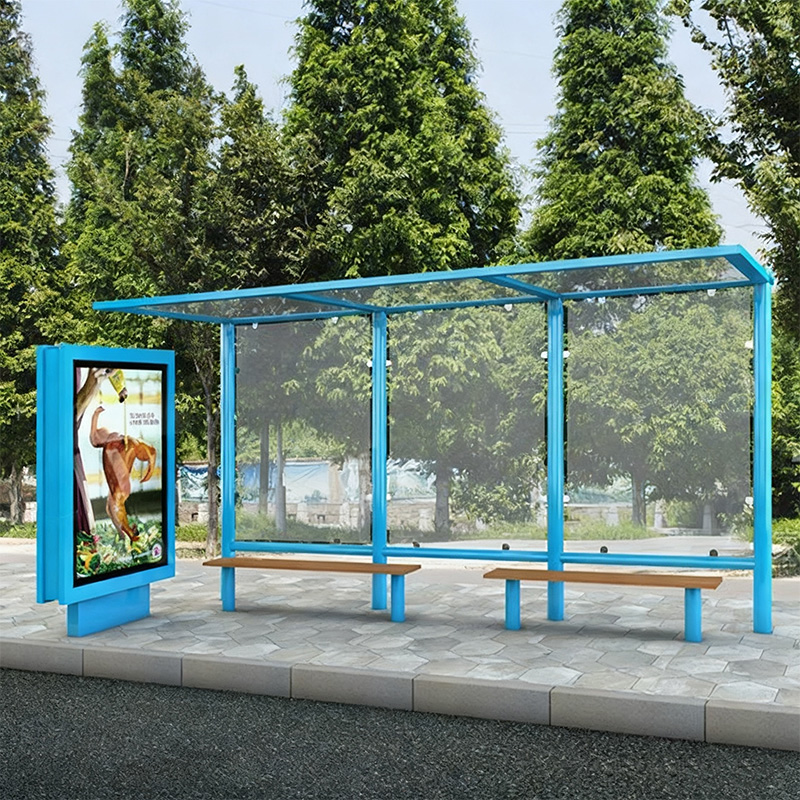
A bus shelter is a purpose-built structure located at a public transport stop, designed to provide passengers with protection from adverse weather conditions such as rain, snow, wind, and intense sunlight. At its core, a bus shelter serves as a critical interface between the public transit system and the user, enhancing comfort, safety, and accessibility while waiting for a bus.
Beyond basic weather protection, modern bus shelters often incorporate seating, lighting, real-time information displays, and advertising panels. They are integral components of urban infrastructure, contributing to the overall efficiency and appeal of public transportation networks. A well-designed shelter can increase ridership by making the waiting experience more predictable and comfortable, thereby encouraging a shift away from private vehicle use.
Key Components and Functional Features
While designs vary widely depending on location and budget, most bus shelters share a set of standard functional elements that define their utility and effectiveness.
Structural Framework and Roofing
The framework is typically constructed from durable materials like stainless steel, aluminum, or galvanized steel to withstand vandalism and harsh weather. The roof is designed to shed water efficiently and may include gutters to prevent pooling. Transparent roofing materials such as polycarbonate or tempered glass are commonly used to allow natural light during the day while providing UV protection.
Seating and Accessibility
Seating is a vital feature, particularly for elderly passengers, those with disabilities, or individuals carrying heavy loads. Modern standards require shelters to be compliant with accessibility regulations, such as the Americans with Disabilities Act (ADA) in the US, ensuring sufficient clear floor space for wheelchairs and benches with armrests to assist with sitting and standing.
Lighting and Safety
Integrated lighting improves visibility and security during nighttime hours. LED fixtures are preferred due to their energy efficiency and long lifespan. Proper illumination deters criminal activity and helps passengers feel safe, which is a significant factor in public transit usage after dark.
| Feature | Purpose | Common Materials |
|---|---|---|
| Roof/Canopy | Weather protection (rain, sun) | Polycarbonate, Tempered Glass, Metal |
| Seating | Comfort for waiting passengers | Stainless Steel, Recycled Plastic, Wood |
| Lighting | Safety and visibility at night | LED Fixtures, Solar Panels |
| Information Panel | Route maps and schedules | Acrylic, Digital Screens |
Types of Bus Shelters in Urban Planning
Urban planners and transit authorities choose shelter types based on passenger volume, available space, and aesthetic goals. Understanding these categories helps in evaluating the suitability of a shelter for a specific location.
Standard Enclosed Shelters
These are the most common type, featuring three walls and a roof. They offer maximum protection from wind and rain and are ideal for high-traffic areas or regions with severe weather. Enclosed shelters often include advertising panels on the rear wall, which can help offset maintenance costs through revenue generation.
Open-Sided or Lean-To Shelters
Designed for narrower sidewalks or areas with lower passenger volumes, these shelters typically have a roof supported by one or two posts and a back panel. They provide basic overhead protection without fully enclosing the space, maintaining an open feel and reducing visual obstruction.
Smart Shelters
Representing the future of transit infrastructure, smart shelters integrate technology such as Wi-Fi hotspots, USB charging ports, real-time digital arrival displays, and even environmental sensors. Smart shelters enhance the user experience by providing connectivity and accurate information, making waiting time more productive and less stressful.
The Role of Bus Shelters in Public Transit Efficiency
Bus shelters are not merely amenities; they are strategic tools for improving public transit performance. Their presence correlates with higher rider satisfaction and increased modal share for public transport.
- Rider Retention: Comfortable waiting conditions reduce the perceived "cost" of taking the bus. Studies suggest that improved shelter quality can lead to a 5-10% increase in ridership in some corridors by making transit a more viable option compared to driving.
- Safety and Security: Well-lit and visible shelters reduce the risk of accidents and crime. They provide a designated, safe space for passengers, separating them from traffic flow and potential hazards.
- Urban Aesthetics: Custom-designed shelters can reflect local culture and architecture, contributing to the city's brand identity. They serve as canvases for public art or community information, fostering a sense of place.
- Economic Impact: Advertising revenue from shelter panels can subsidize maintenance costs. Additionally, increased foot traffic around well-served stops can benefit local businesses.
Maintenance and Sustainability Considerations
Ensuring the longevity and functionality of bus shelters requires a proactive maintenance strategy. Neglected shelters can become eyesores and safety hazards, discouraging transit use.
- Regular Cleaning: Glass panels and seating should be cleaned weekly to remove graffiti, dirt, and bird droppings. Use non-abrasive cleaners to protect surfaces.
- Structural Inspections: Conduct quarterly inspections of bolts, welds, and foundations to identify signs of corrosion or fatigue. Immediate repair of loose components prevents accidents.
- Lighting Checks: Verify that all LED fixtures are operational monthly. Replace faulty units promptly to maintain safety standards.
- Sustainable Materials: New installations should prioritize recycled materials and solar-powered lighting to reduce the carbon footprint. Solar-powered shelters can operate off-grid, reducing installation costs in remote areas.