

 English
 Español
Content
- 1 What "Bulletin Board Ad" Means in Practice
- 2 The Highway Bulletin: The Standard for Large-Format Advertising
- 3 Public Bulletin Boards: Persistent Ads for Local Audiences
- 4 What to Look For When Buying an Outdoor Bulletin Board
- 5 Digital and Illuminated Options: When Static Is Too Limited
- 6 Choosing the Right Format for Your Campaign
- 7 Final Thoughts
What "Bulletin Board Ad" Means in Practice
Ask five people what a bulletin board ad is, and you will likely get two different answers. In the out-of-home advertising industry, a bulletin is the largest standardized billboard format, typically 14 feet high by 48 feet wide, placed along highways and major arterial roads. Outside that industry, a bulletin board ad is a printed notice displayed on a public board in a community center, municipal building, park, or transit station. Both formats serve the same goal — putting a message where people will see it repeatedly — but the planning, budget, and materials involved are completely different.
For a buyer, this distinction matters because the term is used loosely in practice. When a media vendor quotes a bulletin, they usually mean a highway billboard with strict production specs and a long lease. When a contractor quotes an outdoor notice board, they are pricing a physical structure you install on a wall or in the ground. Decide which one you need before starting the purchasing process, and you avoid costly mistakes in both production and placement.
The Highway Bulletin: The Standard for Large-Format Advertising
A highway bulletin is the backbone of many out-of-home campaigns. Its 14-by-48-foot overall size and location on busy interstates give advertisers a canvas that drivers cannot ignore. Because vehicles pass at high speed, the creative must be readable in a matter of seconds. The most effective bulletin designs use high-contrast colors, a single clear message, and no more than seven words of copy.
Bulletins are typically leased for long periods, often 12 months or more, which makes them a brand-building tool rather than a response driver. They perform best for broad audiences that travel the same corridors daily: commuters, long-distance drivers, and commercial fleets. The goal is not an immediate phone call; it is a lasting impression that surfaces when the viewer is ready to buy.
Specs and Measurement Details
Before committing to a bulletin program, verify the exact face size, copy limits, and local zoning restrictions. Some structures have a trimmed face area smaller than the overall frame, and some jurisdictions restrict content near interstate exits. Ask the operator for traffic counts and line-of-sight distance so you can calculate how much reading time your message actually receives.
When a Bulletin Is the Right Call
Choose a highway bulletin when your audience is broad, your message stays relevant for a full season or more, and your objective is awareness. If your business serves a tight radius or you change offers weekly, a closer-to-customer format is more efficient. The economics of a bulletin are built on frequency across a large population, not precision targeting.
Public Bulletin Boards: Persistent Ads for Local Audiences
For organizations that want visibility inside a specific community, a public bulletin board ad remains one of the oldest, cheapest, and most reliable channels. Local shops, gyms, churches, and service providers post fliers on boards in community centers, parks, coffee shops, and municipal buildings. The ad stays up for weeks, reaching every person who walks past, with no recurring media cost beyond printing and the small fee some locations charge.
The catch is clearance and competition. Many public boards require notices to be stamped or approved, and fliers are often removed on a fixed schedule. The best-performing notices use a bold headline, a clear offer, and tear-off tabs that people can take. Design for a three-second scan: someone crossing a lobby will not stop to read a dense paragraph, so put the essential information on top.
Avoiding the Common Mistakes
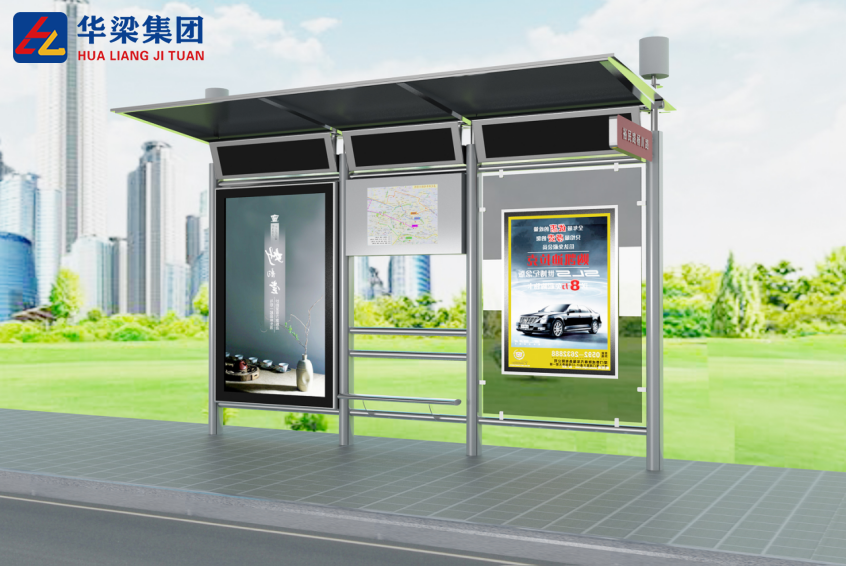
The most frequent failure is printing a letter-sized flier that gets lost among dozens of others. Use at least A3 or ledger size, choose water-resistant paper, and include multiple contact methods. If the board sits outdoors or in a damp entranceway, material choice determines how long your ad stays legible. This is where upgraded display structures change the outcome — heavy-duty metal advertising displays with protective glazing keep notices readable far longer than an exposed corkboard.
What to Look For When Buying an Outdoor Bulletin Board
When you are purchasing a physical bulletin board for a facility, engineering matters more than aesthetics. The structure has to survive wind, cleaning, vandalism, and years of flier changes. Look for a powder-coated steel frame, corrosion-resistant hardware, and a hinged glazing panel that lets staff replace notices quickly. If the board is exposed to rain, a sloped top or canopy protects the face, and a lock prevents unauthorized postings.
Municipal installations demand stricter durability. Boards on sidewalks or near transit stops face constant handling and full weather exposure. Galvanized or stainless steel frames, anti-glare glazing, and a solid back panel prevent the bending and peeling that ruin cheap plywood units. Bintai Machinery builds weatherproof outdoor bulletin boards and municipal street signage systems for these conditions, using fabrication standards comparable to its public seating and transit shelter lines. When comparing quotes, ask for the steel gauge, coating thickness, and glazing material — these three specifications determine whether a board lasts five years or twenty.
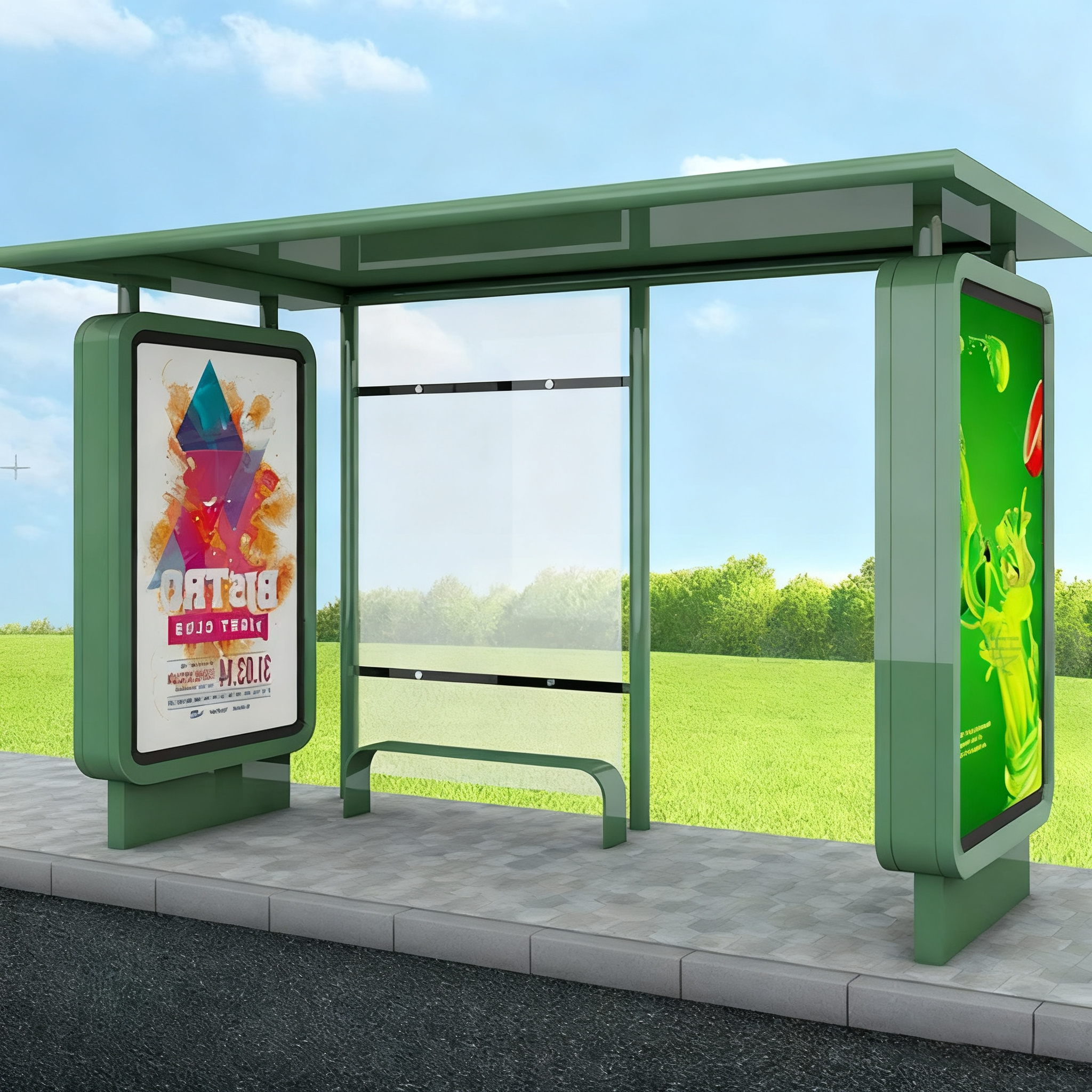
Not every message fits a flat board. If your content changes frequently, an outdoor advertising light box with a replaceable graphic face is easier to update and remains readable after dark. For rotating multiple clients or announcements, a digital scrolling billboard delivers more exposure per square meter. The table below compares the main formats so you can match the medium to your actual need.
| Format | Typical Face Size | Best Placement | Ideal Message Lifespan | Relative Cost |
|---|---|---|---|---|
| Highway bulletin | 14 x 48 feet | Interstates and major highways | 6 to 12 months | Highest |
| Poster panel | 12 x 24 feet | Urban roads and collector streets | 1 to 3 months | Moderate |
| Public bulletin board | 2 to 6 feet wide | Community centers, parks, municipal buildings | Weeks to months | Lowest |
Digital and Illuminated Options: When Static Is Too Limited
A static board has one major advantage: it displays a permanent message with no electricity, software, or maintenance. But if you need to rotate messages automatically, sell space to different advertisers, or attract attention at night, an illuminated or digital unit is worth the higher initial investment. Light boxes keep printed graphics visible in low light and are common in transit stations and storefronts. Digital scrolling billboards cycle through multiple ads on a timed loop, which is why they dominate premium urban locations.
Digital brings new cost factors: display hardware, ventilation, content management, installation, and ongoing energy consumption. For a facility that simply needs a place to post community notices, a static weather-sealed board is usually the better buying decision.
Choosing the Right Format for Your Campaign
Start with three questions. Who needs to see the ad? How long will the message remain true? How much budget covers production and maintenance?
- If the audience is commuters on a busy highway and the message is evergreen, a long-term bulletin lease is defensible.
- If the audience is hyper-local and the message changes monthly, a durable public bulletin board is the most efficient option.
- If you own the building or facility, investing in a weatherproof structure gives you advertising space you control and reuse indefinitely.
- If night visibility or frequent rotation matters, choose illuminated light boxes or digital scrolling displays over static print.
Whatever format wins, inspect the production quality before buying. Cheap structures fail outdoors quickly, and a corroded or illegible board damages the brand it is supposed to build. Look for suppliers that test products in real weather, apply genuine anti-corrosion coatings, and document steel thickness and finishing. That documentation is the difference between an asset and a liability.
Final Thoughts
Bulletin board ads succeed when the format matches the message. A highway bulletin builds broad awareness with a massive canvas and a long lease. A public bulletin board delivers affordable, persistent visibility exactly where an audience lives and works. A light box or digital scrolling unit adds impact when content needs to rotate or stay visible after dark. Define your audience radius, message lifespan, and maintenance capacity first; then choose the structure that fits. Do it in that order, and your bulletin board ad will work for you for years — not just for the moment you hang a poster.


