
 English
 Español
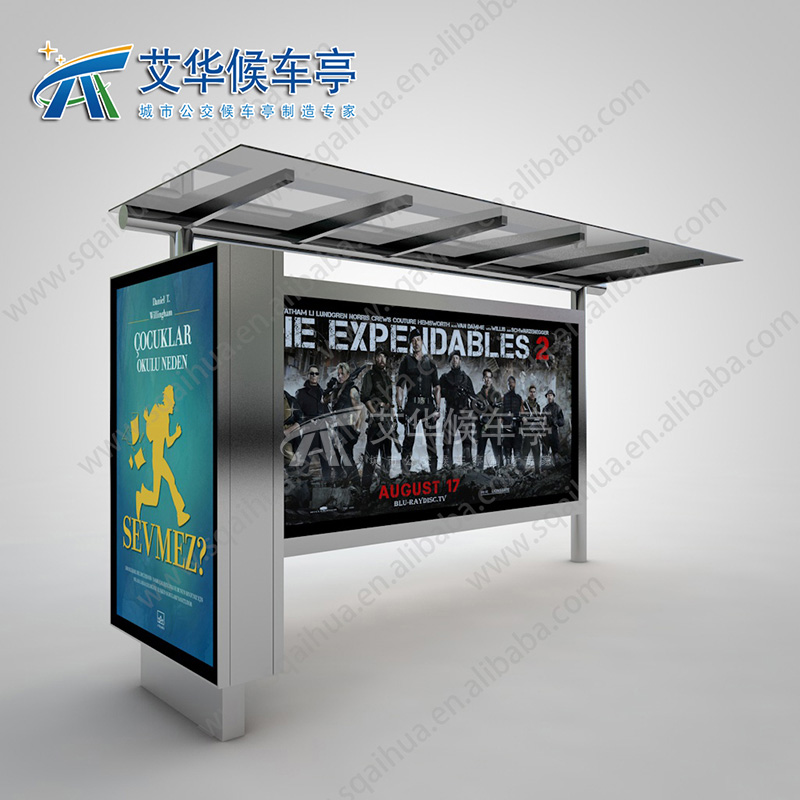
A bus shelter is more than a simple roof; it is a critical piece of urban infrastructure that enhances public transit usability, passenger safety, and city aesthetics. Well-designed shelters protect commuters from weather extremes, provide essential information, and encourage ridership by improving the overall waiting experience. For city planners and municipal authorities, investing in robust, accessible, and technologically integrated shelters yields long-term benefits in public satisfaction and operational efficiency. The most effective shelters balance durability with user comfort, utilizing materials like tempered glass and galvanized steel to withstand high-traffic environments while offering visibility and security.
Modern bus shelters have evolved into multi-functional hubs. They now often incorporate digital signage, real-time arrival updates, USB charging ports, and even solar-powered lighting. These features transform a passive waiting area into an active service point. However, the core function remains protection. A standard shelter should reduce wind exposure by at least 50% and provide complete coverage from rain and snow, ensuring that public transport remains a viable option year-round, regardless of climate conditions.
Content
Material Selection and Durability
The longevity of a bus shelter depends heavily on the materials used in its construction. Urban environments expose these structures to vandalism, weathering, and constant physical wear. Therefore, selecting materials that offer high impact resistance, corrosion protection, and low maintenance is essential.
Glazing and Paneling
Tempered safety glass is the standard for side panels and backwalls due to its clarity and strength. It resists scratching and provides a transparent view, enhancing passenger security by eliminating blind spots. In areas prone to vandalism, polycarbonate panels are a viable alternative. While less scratch-resistant, polycarbonate is virtually unbreakable and lighter to handle during installation. Recent advancements include anti-graffiti coatings that allow for easy cleaning without damaging the surface.
Structural Framework
Aluminum and stainless steel are preferred for framing due to their natural corrosion resistance and sleek appearance. Aluminum is lightweight and can be powder-coated in various colors to match city branding. For heavier, more industrial designs, galvanized steel offers superior structural integrity and impact resistance. Concrete bases are typically used for anchoring, providing stability against high winds and accidental vehicle impacts.
| Material | Durability | Maintenance Level | Aesthetic Appeal |
|---|---|---|---|
| Tempered Glass | High (Shatter-resistant) | Medium (Cleaning) | Modern, Transparent |
| Polycarbonate | Very High (Impact-proof) | High (Scratch repair) | Functional, Less Clear |
| Powder-Coated Aluminum | High (Corrosion-resistant) | Low | Sleek, Customizable |
Accessibility and Universal Design
An effective bus shelter must be accessible to all users, including those with mobility impairments, visual disabilities, and elderly passengers. Compliance with accessibility standards, such as the Americans with Disabilities Act (ADA) in the US or equivalent local regulations, is not just a legal requirement but a moral imperative for inclusive urban design.
Physical Accessibility
Shelters must provide a clear, level landing area adjacent to the curb ramp, allowing wheelchair users to board buses safely. The minimum clear floor space should be at least 1.5 meters by 1.5 meters. Seating should include spaces for wheelchairs and benches with armrests to assist seniors in standing up. Additionally, the path from the sidewalk to the shelter must be free of obstacles and have a non-slip surface to prevent falls during wet weather.
Sensory and Cognitive Accessibility
For visually impaired passengers, tactile paving and braille signage are essential. Real-time audio announcements via speakers or Bluetooth connectivity to smartphone apps can provide arrival information. High-contrast visual displays with large fonts help those with low vision read schedules and maps. Clear, intuitive wayfinding symbols reduce cognitive load, making the transit system easier to navigate for tourists and individuals with cognitive disabilities.
Smart Features and Technology Integration
The integration of technology into bus shelters is transforming them into smart city nodes. These features enhance user experience, improve safety, and provide valuable data for transit authorities.
- Real-Time Information Displays: Digital screens show live bus arrivals, route changes, and service alerts, reducing uncertainty and wait anxiety.
- Solar Power Systems: Photovoltaic panels on the roof can power LED lighting, digital displays, and USB charging ports, reducing reliance on the grid and lowering operational costs.
- Security Cameras and Emergency Buttons: Integrated CCTV and direct-line emergency phones enhance passenger safety, particularly at night, and deter vandalism.
- Wi-Fi Hotspots: Providing free internet access turns wait time into productive time, increasing the attractiveness of public transit for commuters.
While these technologies add initial cost, they significantly increase the utility and perceived value of the transit system. Smart shelters can also collect environmental data, such as air quality and noise levels, contributing to broader urban monitoring efforts.
Maintenance and Lifecycle Management
Regular maintenance is crucial to ensure the safety, functionality, and aesthetic appeal of bus shelters. A proactive maintenance schedule prevents minor issues from becoming major repairs and extends the structure's lifespan.
Routine Cleaning and Inspection
Glass panels and advertisements should be cleaned weekly to maintain visibility and city pride. Structural inspections should occur quarterly, checking for loose bolts, corrosion, and damage to the roof or foundation. Lighting systems must be tested monthly to ensure they function correctly at night. Graffiti should be removed within 24-48 hours to discourage further vandalism, a strategy known as the "broken windows theory" in urban management.
Repair and Replacement Strategies
Establishing a rapid response team for repairs minimizes downtime. Modular designs allow for quick replacement of damaged components, such as broken glass panels or faulty digital screens, without dismantling the entire structure. Keeping an inventory of spare parts ensures that repairs can be completed efficiently. Long-term lifecycle planning should include budgeting for major upgrades or replacements every 15-20 years, depending on material wear and technological obsolescence.