
 English
 Español
Content
- 1 Introduction: The Evolution of Metal Electric Trolleys
- 2 Smart Safety Features Overview
- 3 Advanced Control and Automation
- 4 Load Capacity and Structural Enhancements
- 5 Battery and Energy Efficiency
- 6 Applications in Warehousing and Industry
- 7 Cost-Benefit Analysis of Smart Trolleys
- 8 Conclusion: Enhancing Safety and Productivity
Introduction: The Evolution of Metal Electric Trolleys
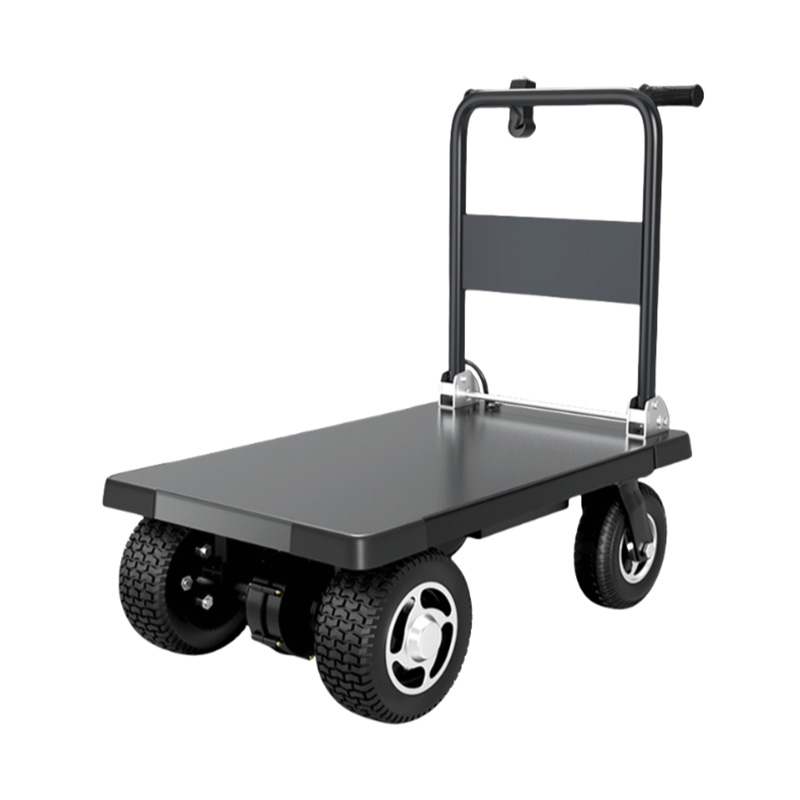
Metal electric trolleys are essential tools for industrial material handling, warehouse operations, and factory logistics. Traditionally valued for their durability and load capacity, these trolleys are now undergoing a technological transformation with the integration of smart safety features. Manufacturers are focusing on operator protection, operational efficiency, and compliance with industrial safety standards. This article explores the latest innovations in metal electric trolley design, practical applications, and the benefits of smart safety systems.
Smart Safety Features Overview
Modern metal electric trolleys integrate a variety of safety mechanisms to prevent accidents, protect operators, and minimize equipment damage. These features include automatic braking, obstacle detection, anti-collision sensors, overload protection, and emergency stop systems. The use of intelligent control systems ensures smooth operation while reducing the risk of human error during material handling.
Key Safety Enhancements
- Anti-collision sensors detect nearby objects and halt trolley movement to prevent accidents.
- Overload protection systems prevent excessive weight from damaging the trolley or creating safety hazards.
- Automatic braking mechanisms ensure safe stopping in emergency situations or during power loss.
Advanced Control and Automation
Automation and control systems are key drivers in the evolution of metal electric trolleys. Operators can now leverage intelligent drive controls, programmable speed settings, and remote operation capabilities. Integration with warehouse management systems allows trolleys to follow optimized routes, reducing manual effort, and improving workflow efficiency.
Control Innovations
- Programmable speed controls allow safe operation in high-traffic areas.
- Remote monitoring and operation reduce the need for close operator proximity.
- Automated path-following ensures consistency in repetitive tasks.
Load Capacity and Structural Enhancements
Modern metal electric trolleys are engineered for enhanced structural strength to handle heavier loads safely. Reinforced metal frames, high-capacity motors, and optimized wheel assemblies ensure stable operation under maximum load conditions. Load monitoring systems are incorporated to alert operators when capacity limits are approached, reducing the risk of accidents and structural damage.
Structural Improvements
- Reinforced steel frames for enhanced durability and safety.
- Heavy-duty wheels with advanced traction to prevent slips or tipping.
- Integrated load sensors to monitor and alert operators of overloading.
Battery and Energy Efficiency
Battery advancements have contributed to longer operational periods and reduced downtime. Lithium-ion batteries offer high energy density, faster charging, and extended lifecycle compared to traditional lead-acid batteries. Smart energy management systems optimize power usage, ensuring consistent performance and reducing energy costs for industrial facilities.
Energy Management Features
- High-capacity lithium-ion batteries extend operational hours.
- Regenerative braking systems recover energy during operation.
- Smart monitoring of battery status prevents overcharging and enhances lifespan.
Applications in Warehousing and Industry
Metal electric trolleys are widely used in warehouses, manufacturing plants, and distribution centers. Their smart safety features make them suitable for busy environments where personnel and equipment coexist. By automating movement and providing real-time safety alerts, these trolleys improve efficiency, reduce workplace injuries, and enhance overall productivity.
Industrial Applications
- Warehouses for transporting pallets and heavy goods safely.
- Manufacturing floors for moving raw materials between stations.
- Distribution centers for high-volume order picking and logistics operations.
Cost-Benefit Analysis of Smart Trolleys
While smart metal electric trolleys may involve higher initial investment, the reduction in workplace accidents, energy savings, and labor costs justifies the expenditure. Improved operational safety reduces downtime and liability, while automation and efficiency gains contribute to significant long-term returns.
Example Table: Operational Benefits
| Trolley Type | Initial Cost | Safety Features | Efficiency Gain |
| Standard Metal Trolley | Moderate | Basic Braking | Medium |
| Smart Safety Trolley | High | Sensors, Auto-Braking, Load Alerts | High |
Conclusion: Enhancing Safety and Productivity
Manufacturers' upgrades to metal electric trolleys with smart safety features mark a significant advancement in industrial material handling. By combining automation, intelligent control, energy efficiency, and structural enhancements, these trolleys improve workplace safety, reduce operational risks, and increase productivity. As technology continues to advance, smart metal electric trolleys will play a pivotal role in modern industrial operations and warehouse automation.