

 English
 Español
Content
- 1 The Short Answer: A Rolling Foldable Cart Is Worth It — If You Pick the Right One
- 2 Types of Rolling Foldable Carts and What They're Best For
- 3 Key Specs to Compare Before Buying
- 4 Material Matters: Steel, Aluminum, and Plastic Compared
- 5 Top Use Cases — and What to Prioritize for Each
- 6 What to Watch Out For: Common Pitfalls
- 7 How to Maintain a Rolling Foldable Cart for Long-Term Use
- 8 Quick Decision Guide: Which Rolling Foldable Cart Should You Get?
The Short Answer: A Rolling Foldable Cart Is Worth It — If You Pick the Right One
A rolling foldable cart is one of the most versatile storage and transport tools you can own. It collapses flat for easy storage, rolls smoothly on wheels, and handles loads ranging from groceries to garden supplies. The key is matching the cart's capacity, wheel type, and material to your specific use case — because a cart built for a farmers' market haul is very different from one designed for a warehouse floor.
This guide breaks down everything you need to know: types, specs, real-world applications, and how to compare options side by side.
Types of Rolling Foldable Carts and What They're Best For
Not all foldable rolling carts are built alike. The market splits into several clear categories based on frame design and intended use:
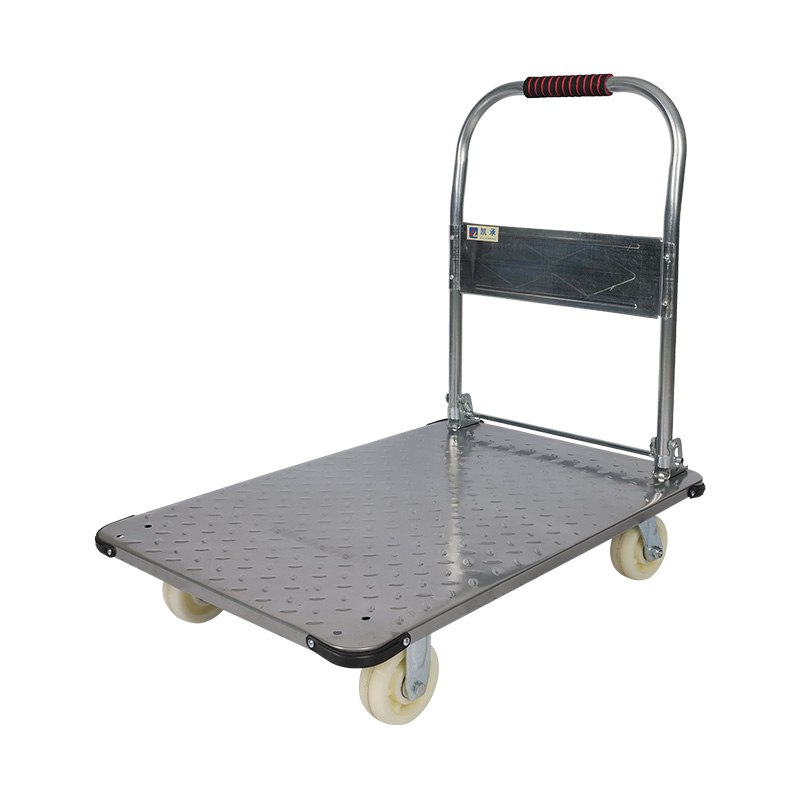
Flat-Fold Platform Carts
These fold down to roughly 3–4 inches thick and are ideal for garage storage, moving boxes, or transporting equipment. Models like the Cosco Shifter can carry up to 300 lbs while folding to a compact profile that hangs on a wall hook. Best for: home movers, hobbyists, small businesses.
Collapsible Utility Wagons
Popular at outdoor events, beach trips, and farmers' markets, these wagons fold inward with a pull-up handle. They typically hold 150–250 lbs and feature fabric sides that keep loose items contained. The Mac Sports Folding Wagon is a well-known example, selling millions of units globally.
Tiered Rolling Shelf Carts
These feature two or three shelves on a rolling frame that folds flat. Common in kitchens, offices, and beauty salons. Most support 50–100 lbs per shelf and are made from metal or reinforced plastic. They excel at organizing supplies that need frequent mobility.
Heavy-Duty Industrial Carts
Built for warehouse and commercial use, these carts feature steel frames, larger swivel casters (often 4–6 inches), and load ratings of 500–1,000 lbs or more. While they fold, they remain bulkier than consumer models. Best for: stockrooms, manufacturing floors, event production.
Key Specs to Compare Before Buying
When evaluating a rolling foldable cart, these are the specifications that actually matter in day-to-day use:
| Spec | Platform Cart | Utility Wagon | Shelf Cart | Industrial Cart |
|---|---|---|---|---|
| Weight Capacity | 150–300 lbs | 150–250 lbs | 100–200 lbs | 500–1,000+ lbs |
| Folded Thickness | 3–5 inches | 6–10 inches | 4–6 inches | 8–14 inches |
| Wheel Diameter | 3 inches | 6–8 inches | 2–3 inches | 4–6 inches |
| Terrain | Smooth indoor | Grass, gravel, sand | Smooth indoor | Concrete, tile |
| Typical Price Range | $40–$120 | $50–$180 | $30–$100 | $150–$500+ |
Wheel size is the most overlooked spec. A cart with 2-inch plastic wheels will struggle on even a slightly uneven sidewalk, while a wagon with 7-inch pneumatic wheels can cross packed gravel with ease. Match wheel type to your terrain, not just your load.
Material Matters: Steel, Aluminum, and Plastic Compared
The frame material determines not just durability but also weight, rust resistance, and portability. Here's how common materials stack up:
- Steel: Strongest and most affordable, but heavier (typically 15–30 lbs for a mid-size cart) and prone to rust if not coated. Best for indoor or covered use where max load capacity matters.
- Aluminum: Lighter by 30–40% compared to steel, naturally rust-resistant, and easier to carry when folded. Premium models like those from Magna Cart weigh as little as 7 lbs while supporting 150 lbs. Best for travel, airports, or frequent transport.
- Reinforced Plastic / Polypropylene: Used in utility wagons and shelf carts. Lighter than steel, weather-resistant, but lower load limits (usually under 150 lbs). Best for casual, everyday use.
- Fabric-and-frame combos: Utility wagons often pair a steel frame with 600D polyester fabric sides. These are water-resistant and easy to clean, but the fabric degrades faster than rigid surfaces under heavy, sharp loads.
Top Use Cases — and What to Prioritize for Each
A rolling foldable cart earns its keep across a surprising range of settings. Here's what to prioritize depending on how you'll use it:
Grocery and Market Shopping
Prioritize a compact folded size, 4-wheel stability, and a bag or basket attachment. Carts with a hook-and-hang design — like the popular Rolser or Andersen models — can carry up to 65 lbs and fold to the size of an umbrella. Stair-climbing wheel sets (available on some European models) are a genuine game-changer for city apartments.
Beach, Camping, and Outdoor Events
Go for a collapsible wagon with large-diameter wheels — at least 6 inches — and weather-resistant fabric. All-terrain versions with balloon tires can handle sand without digging in. Look for models with a canopy attachment point and cooler compatibility if you tailgate or camp regularly.
Home Organization and Moving
A flat-fold platform cart with swivel casters on all four corners gives maximum maneuverability in hallways and around furniture. The Cosco Shifter Multi-Position Hand Truck is frequently cited in moving guides because it converts between a 2-wheel hand truck and a 4-wheel flat cart — two tools in one.
Office and Classroom Use
Tiered shelf carts work best here. They keep supplies organized by level, roll between rooms, and fold flat at the end of the day. Look for locking wheels to prevent movement when stationary — an often-overlooked feature that prevents tip-overs on hard floors.
Retail and Trade Show Displays
Vendors who set up and break down displays repeatedly benefit most from aluminum frame carts: lightweight, fold fast, and won't dent merchandise. Setup time drops by roughly 40% compared to carrying individual totes or bins, based on common vendor reports at craft fairs and trade shows.
What to Watch Out For: Common Pitfalls
Even a well-reviewed cart can disappoint if you overlook a few practical details:
- Overloading past the rated capacity. Most consumer carts have a safety margin, but repeated overloading warps frames and cracks wheel axles. Stick within 80% of the stated limit for daily use.
- Cheap caster wheels. Plastic casters on smooth tile are fine, but they shatter on concrete edges. If you'll use the cart outdoors even occasionally, upgrade to rubber or polyurethane wheels.
- Fold locking mechanisms. Some budget carts fold mid-use if the locking tab wears out. Before purchasing, check whether the locking mechanism is metal or plastic — metal holds up far longer.
- Handle height mismatch. A fixed handle set at 38 inches may force someone 6'2" to hunch uncomfortably. Look for telescoping or adjustable handle options if multiple people will use the cart.
- Misleading "foldable" claims. Some carts fold only partially and still require significant floor space. Always check the actual folded dimensions in the product specs, not just the marketing copy.
How to Maintain a Rolling Foldable Cart for Long-Term Use
A well-maintained cart can last 5–10 years even with regular use. Here are the maintenance habits that make the biggest difference:
- Clean wheels monthly by removing hair, string, and debris wrapped around the axle — this is the #1 cause of wheel failure on carts used in homes with pets or carpet.
- Apply silicone lubricant (not WD-40, which attracts dust) to the wheel bearings and fold hinges every 3–6 months.
- Store folded and upright rather than flat on the ground, which puts stress on the frame joints over time.
- Inspect the locking pins and hinges after any heavy load event. Bent locking pins are a safety hazard and should be replaced before the cart is used again.
- For fabric wagons: rinse with mild soap and water after beach or outdoor use. Saltwater and sand accelerate fabric wear and corrode metal rivets.
Quick Decision Guide: Which Rolling Foldable Cart Should You Get?
Use this simple framework to narrow your choice:
| If Your Primary Use Is… | Get This Type | Key Feature to Prioritize |
|---|---|---|
| Grocery/market runs | Foldable shopping cart | Compact fold, stair wheels |
| Beach / outdoor events | Collapsible utility wagon | Large wheels, weather resistance |
| Moving boxes / heavy loads | Flat-fold platform cart | High weight rating, swivel casters |
| Office / classroom supplies | Tiered rolling shelf cart | Locking wheels, multiple shelves |
| Trade shows / vendor events | Aluminum folding hand truck | Lightweight, fast fold mechanism |
| Warehouse / industrial work | Heavy-duty steel cart | 500+ lb capacity, large casters |
Bottom line: the best rolling foldable cart is the one that fits your most frequent use case, not the one with the highest specs on paper. A 1,000-lb industrial cart is useless if it won't fit in your closet. A lightweight aluminum wagon is frustrating if you need to haul 400-lb freight. Define your scenario first, then let the specs follow.


