
 English
 Español
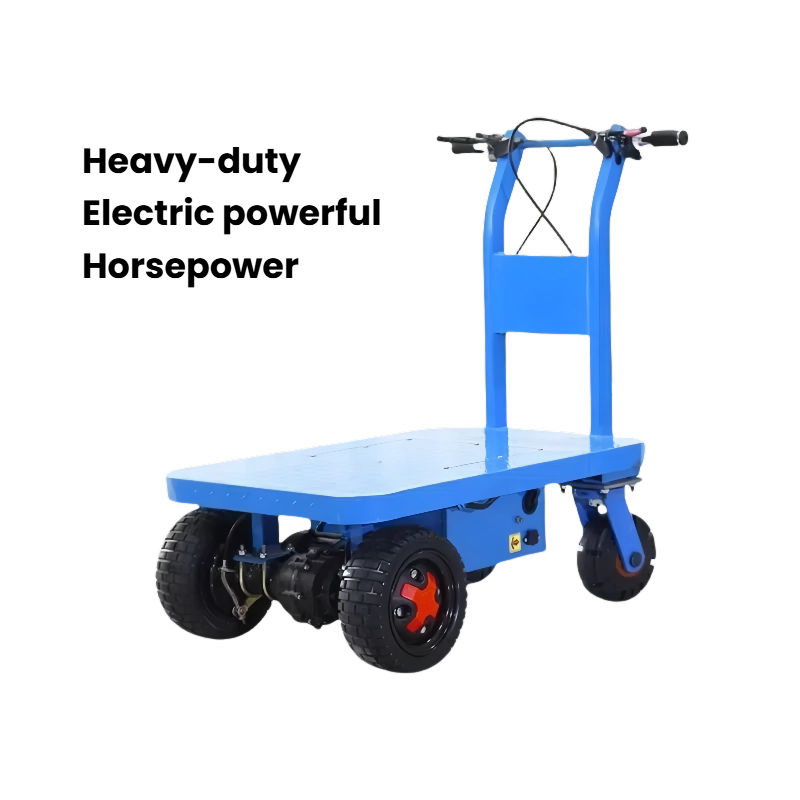
Electric handcarts have become essential tools in modern logistics, warehousing, and industrial operations due to their ability to transport heavy loads with minimal human effort. One of the most critical considerations for operators is the battery life and range of these vehicles, which directly affects productivity and operational efficiency. Understanding the factors that influence battery performance helps businesses maximize uptime and reduce costs associated with frequent charging or battery replacement.
Content
Battery Type and Capacity
The type of battery used in an electric handcart is a primary determinant of both its life and range. Lead-acid batteries, commonly found in older or budget models, tend to be heavier and have lower energy density, resulting in shorter operational times. Lithium-ion batteries, on the other hand, offer higher energy density, faster charging, and longer lifespans. Battery capacity, measured in ampere-hours (Ah), directly impacts how far and how long a handcart can operate before requiring a recharge. Higher-capacity batteries allow for longer runtime but can increase weight and initial cost.
Load and Weight Distribution
The load carried by an electric handcart significantly affects battery consumption. Heavier loads require more energy to move, reducing both battery life per charge and overall range. Proper weight distribution is equally important; uneven loads can increase strain on the motor, causing it to draw more power and generate excess heat, which can degrade battery performance over time. Operators should follow manufacturer load recommendations and ensure that cargo is evenly balanced.
Terrain and Operational Environment
The type of terrain on which an electric handcart operates has a direct impact on battery life. Smooth, flat surfaces allow the cart to move efficiently, consuming less energy. In contrast, rough, inclined, or uneven surfaces increase motor workload and power draw, reducing operational range. Environmental conditions, such as temperature and humidity, also affect battery chemistry. High heat can accelerate battery degradation, while extremely low temperatures can reduce capacity temporarily.
Driving Speed and Frequency of Stops
Operating an electric handcart at high speeds or frequently starting and stopping can increase energy consumption. Rapid acceleration and frequent deceleration cause the motor to draw additional power, leading to faster battery depletion. Operators should adopt smooth driving practices, especially when transporting delicate loads, to optimize battery efficiency. Some advanced handcarts incorporate regenerative braking systems that recover energy during deceleration, partially offsetting power loss.
Motor Efficiency and Maintenance
The efficiency of the handcart’s electric motor plays a key role in battery utilization. Well-maintained motors with minimal mechanical friction consume less energy, extending battery life. Regular maintenance, including lubrication of moving parts, inspection of electrical connections, and cleaning of dust or debris from motor components, helps maintain optimal performance. Worn-out motors or mechanical issues can increase resistance, causing the battery to drain faster.
Charging Practices and Battery Health
Proper charging is crucial for extending battery life. Overcharging or deep discharging lead-acid or lithium-ion batteries can significantly shorten lifespan. Most electric handcarts come with manufacturer-recommended charging protocols, including voltage and current limits. Using compatible chargers and avoiding prolonged storage at low charge levels helps preserve battery capacity. Temperature-controlled charging can also prevent heat-related degradation.
Table: Key Factors Affecting Battery Life and Range
| Factor | Impact on Battery | Optimization Tips |
| Battery Type | Affects capacity and lifespan | Use lithium-ion for higher energy density |
| Load Weight | Heavier loads reduce range | Follow max load limits and balance cargo |
| Terrain | Rough or sloped surfaces increase power draw | Operate on smooth paths when possible |
| Driving Habits | Frequent stops/rapid acceleration drains battery | Use smooth acceleration and regenerative braking |
| Motor & Maintenance | Inefficient motors consume more energy | Regular inspections, lubrication, and cleaning |
| Charging Practices | Improper charging reduces lifespan | Follow recommended charging protocols |
Conclusion
The battery life and operational range of electric handcarts are influenced by multiple interconnected factors, including battery type, load weight, terrain, driving habits, motor efficiency, and charging practices. By understanding these factors and implementing proper usage and maintenance strategies, operators can maximize performance, reduce downtime, and extend the overall lifespan of their electric handcarts. Selecting the right battery, optimizing load and driving behavior, and adhering to maintenance protocols ensures consistent, efficient, and reliable operation in industrial and commercial settings.