
 English
 Español
Content
- 1 Why Pet Safety and Hygiene Matter in Enclosed Spaces
- 2 Structural Strength and Injury Prevention
- 3 Non-Toxic and Pet-Safe Material Properties
- 4 Superior Hygiene Through Non-Porous Surfaces
- 5 Reducing Bacteria and Odor Buildup
- 6 Ventilation and Temperature Regulation
- 7 Secure Doors and Locking Mechanisms
- 8 Durability and Long-Term Hygiene Benefits
- 9 Comparison with Other Cage Materials
- 10 Professional and Home Use Applications
- 11 How Stainless Steel Dog Cages Support Healthier Pets
Why Pet Safety and Hygiene Matter in Enclosed Spaces
Dog cages are widely used for training, transportation, veterinary care, and home management. In all these scenarios, safety and hygiene are the top priorities. A poorly designed or low-quality cage can expose pets to injury, stress, and unsanitary conditions, which may lead to health problems or behavioral issues.
Stainless steel dog cages are increasingly chosen by pet owners and professionals because they address these concerns directly. Their structural strength, non-porous surface, and thoughtful design features make them particularly effective at protecting dogs while maintaining a clean and healthy environment.
Structural Strength and Injury Prevention
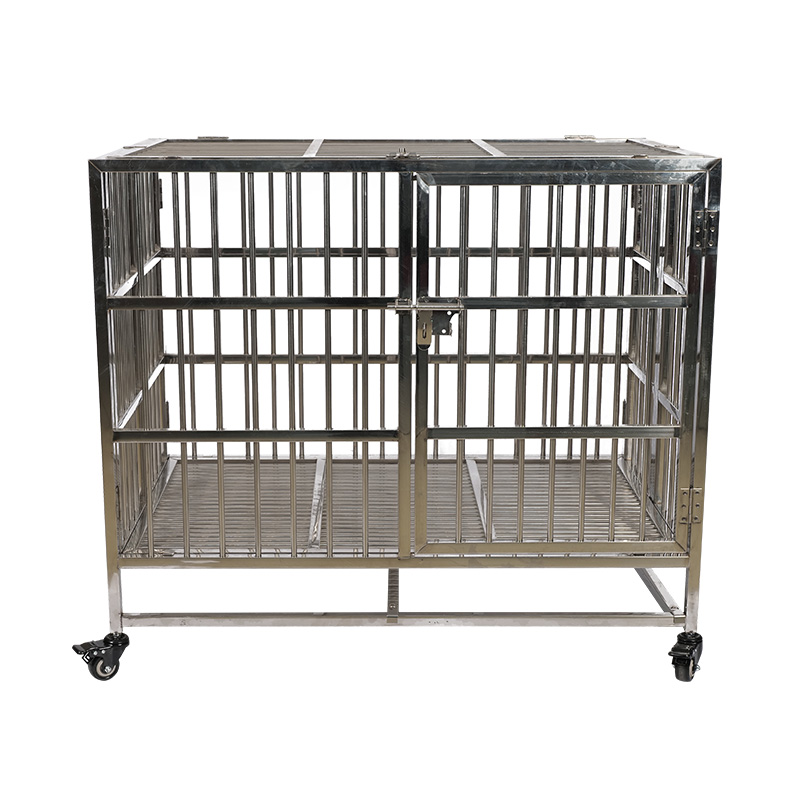
One of the most important safety advantages of a stainless steel dog cage is its structural integrity. Stainless steel frames are significantly stronger than plastic or wire alternatives, allowing the cage to withstand repeated use and the force of active or large dogs.
Resistance to Bending and Breakage
Stainless steel bars do not easily bend or snap under pressure. This reduces the risk of sharp edges forming, which can cause cuts or abrasions. A rigid structure also prevents dogs from escaping and injuring themselves in the process.
Stable and Secure Construction
Many stainless steel dog cages feature reinforced corners, welded joints, and solid bases. These design elements minimize wobbling and tipping, keeping the cage stable even when the dog moves actively inside.
Non-Toxic and Pet-Safe Material Properties
Material safety is a critical consideration, especially for dogs that chew, lick, or scratch their surroundings. Stainless steel is naturally non-toxic and does not require chemical coatings that could wear off over time.
Unlike some painted or treated metals, stainless steel does not flake or release harmful substances. This makes it a safer option for long-term use, particularly for puppies or anxious dogs prone to chewing cage surfaces.
Superior Hygiene Through Non-Porous Surfaces
Hygiene is one of the strongest advantages of a stainless steel dog cage. Stainless steel has a smooth, non-porous surface that resists absorbing moisture, odors, and bacteria.
Easy Cleaning and Disinfection
Spills, urine, saliva, and food residue can be quickly wiped away without soaking into the material. Stainless steel cages can be cleaned with common pet-safe disinfectants, making them ideal for environments that require frequent sanitation.
- No absorption of liquids or odors
- Resistant to mold and mildew
- Compatible with regular disinfection
Reducing Bacteria and Odor Buildup
In enclosed spaces, bacteria and odors can build up quickly if materials trap moisture. Stainless steel dog cages naturally resist bacterial growth because microbes have difficulty adhering to smooth metal surfaces.
This characteristic is especially valuable in multi-dog households, veterinary clinics, kennels, and grooming facilities where hygiene standards are high and cross-contamination must be minimized.
Ventilation and Temperature Regulation
Proper airflow is essential for pet comfort and safety. Stainless steel dog cages are typically designed with open bar structures that allow air to circulate freely around the dog.
Improved Airflow
Enhanced ventilation helps regulate temperature inside the cage, reducing the risk of overheating. It also prevents stale air from accumulating, contributing to a healthier breathing environment for the dog.
Better Visibility and Reduced Stress
Clear visibility allows dogs to see their surroundings, which can reduce anxiety and stress. Lower stress levels contribute to safer behavior and improved overall well-being during confinement.
Secure Doors and Locking Mechanisms
Safety is also influenced by how securely the cage can be closed. Stainless steel dog cages often include heavy-duty latches and locks designed to prevent accidental opening.
- Prevents escape and injury
- Withstands repeated opening and closing
- Reduces risk of door failure
Reliable locking systems are particularly important for strong or intelligent dogs that may attempt to push or manipulate cage doors.
Durability and Long-Term Hygiene Benefits
Durability plays an indirect but important role in hygiene. Stainless steel dog cages maintain their surface quality over time, even with frequent cleaning. They do not crack, warp, or degrade easily.
As a result, there are fewer crevices where dirt and bacteria can accumulate. This long-term cleanliness advantage makes stainless steel cages a cost-effective and hygienic choice.
Comparison with Other Cage Materials
Comparing stainless steel dog cages with common alternatives highlights why they perform better in safety and hygiene.
| Material | Safety Level | Hygiene Performance |
| Stainless Steel | High | Excellent |
| Plastic | Medium | Low to Medium |
| Wire Metal | Medium | Medium |
Professional and Home Use Applications
Because of their safety and hygiene advantages, stainless steel dog cages are widely used in veterinary hospitals, boarding kennels, animal shelters, and grooming salons. These same benefits translate well to home use, especially for large breeds or dogs with special care needs.
For pet owners seeking a reliable, easy-to-maintain solution, stainless steel cages offer peace of mind and long-term value.
How Stainless Steel Dog Cages Support Healthier Pets
A clean and secure environment contributes directly to a dog’s physical and mental health. Stainless steel dog cages minimize exposure to bacteria, reduce injury risks, and provide a stable, comfortable enclosure.
By combining strength, hygiene, and thoughtful design, stainless steel dog cages significantly improve pet safety and cleanliness. For both professional settings and responsible pet ownership, they represent a practical and effective solution that supports healthier, safer dogs every day.