

 English
 Español
Content
- 1 What Is an Animal Wagon and Why You Need One
- 2 Types of Animal Wagons for Different Purposes
- 3 Essential Features to Consider
- 4 Selecting the Right Size for Your Animal
- 5 Training Animals to Accept Wagon Transport
- 6 Maintenance and Longevity Tips
- 7 Special Use Cases and Applications
- 8 Cost Analysis and Investment Planning
- 9 Safety Precautions and Common Mistakes
What Is an Animal Wagon and Why You Need One
An animal wagon is a wheeled transport solution designed to carry pets safely and comfortably without requiring them to walk. These specialized wagons serve pets with mobility limitations, multiple small animals, elderly companions, and active families who want to include their pets in longer outings. Unlike standard carriers, animal wagons provide spacious interiors, superior ventilation, and easy maneuverability across various terrains.
The market for animal wagons has grown significantly, with sales increasing by 67% between 2020 and 2024 according to pet industry reports. This surge reflects growing awareness of pet mobility needs and the desire to extend quality outdoor time for animals of all ages and abilities. From transporting injured wildlife to veterinary care to bringing senior cats to family gatherings, animal wagons solve transportation challenges that traditional carriers cannot address.
Types of Animal Wagons for Different Purposes
Standard Pet Wagons
These enclosed wagons work for dogs, cats, rabbits, and other companion animals. Standard pet wagons feature mesh windows, weather-resistant canopies, and weight capacities ranging from 50 to 150 pounds. The enclosed design protects nervous animals from external stimuli while maintaining excellent airflow. Interior dimensions typically measure 20-38 inches in length, accommodating single large pets or multiple small animals simultaneously.
Heavy-Duty Multi-Pet Wagons
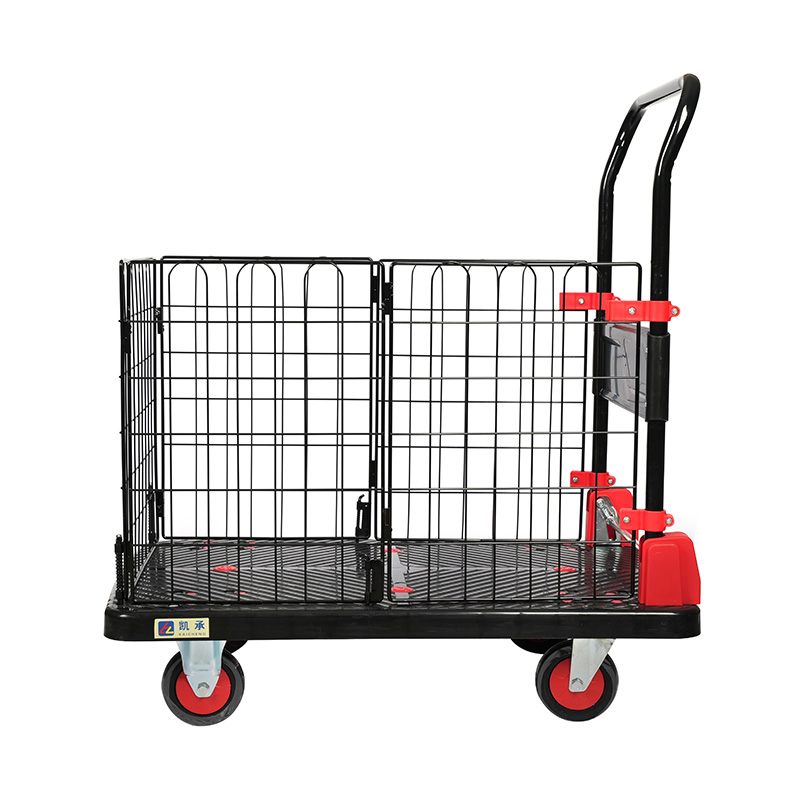
Built for households with multiple animals or larger breeds, heavy-duty wagons support 150 to 220 pounds with reinforced steel frames. These models often include divider panels to separate animals during transport, preventing conflicts and providing individual space. Popular among breeders, rescue organizations, and families with several pets, they feature removable interior sections for easy cleaning after transporting multiple animals.
Farm and Livestock Wagons
Designed for agricultural use, these open-bed wagons transport small livestock like goats, sheep, chickens, and piglets. Farm animal wagons typically support 200-500 pounds and feature slatted sides for ventilation with secure latching gates. The larger platform dimensions (40-60 inches long) allow animals to stand or lie down comfortably during veterinary trips or relocation between pastures.
Exotic and Small Animal Carriers
Specialized wagons for reptiles, birds, ferrets, and pocket pets include climate control features and escape-proof enclosures. These wagons incorporate temperature monitoring systems, UV-protective covers, and secure locking mechanisms. Dimensions are compact (15-25 inches) with customizable interior configurations to accommodate terrariums, perches, or multi-level habitats during transport.
Wildlife Rescue and Rehabilitation Wagons
Professional-grade wagons used by wildlife rehabilitators feature stress-reducing dark covers, minimal human contact points, and easy sanitization. Wildlife wagons prioritize animal safety with impact-absorbing padding and quiet-rolling bearings that don't startle injured or frightened animals. Weight capacities vary based on target species, from 30 pounds for small mammals to 300+ pounds for larger wildlife.
Essential Features to Consider
Wheel Configuration and Terrain Capability
Wheel size and material determine where you can take your animal wagon. Pneumatic tires measuring 10-16 inches handle grass, gravel, and uneven trails, while smaller solid wheels (6-8 inches) work best on pavement. Four-wheel designs provide stability for heavier loads, whereas two-wheel models offer superior maneuverability in tight spaces like veterinary offices or crowded events.
| Wheel Type | Best Terrain | Typical Diameter | Maintenance Level |
|---|---|---|---|
| Solid Plastic | Pavement, indoor | 6-8 inches | Low |
| Air-Filled Rubber | All-terrain, trails | 10-16 inches | Medium |
| Foam-Filled | Mixed surfaces | 8-12 inches | Low |
| Beach/Sand | Sand, loose gravel | 10-14 inches wide | Medium |
Safety and Security Elements
Proper safety features prevent accidents and escapes during transport. Critical components include:
- Internal tether systems with D-ring attachments to secure harnesses or collars
- Dual-zipper enclosures that prevent accidental opening from inside
- Parking brakes on at least two wheels to prevent rolling on inclines
- Reflective strips or LED light attachments for visibility in low-light conditions
- Reinforced stitching at stress points rated for 3x the stated weight capacity
- Emergency exit panels or quick-release sections for immediate animal access
Ventilation and Climate Control
Animals generate significant body heat during transport, making ventilation critical for preventing heat stress. Quality wagons incorporate mesh panels on at least three sides, allowing cross-ventilation while blocking direct wind. For temperature-sensitive species, look for models with removable insulated liners for cold weather and reflective sun shields that reduce interior temperatures by up to 15 degrees Fahrenheit.
Storage and Portability
Practical wagons fold or collapse for vehicle transport and home storage. Folding mechanisms should operate in under 30 seconds without tools, and collapsed dimensions should fit in standard vehicle trunks (typically 30x15x8 inches or smaller). Additional storage features like cup holders, accessory pockets, and undercarriage baskets accommodate water bottles, treats, waste bags, and grooming supplies.
Selecting the Right Size for Your Animal
Proper sizing ensures comfort and prevents injury during transport. Animals should be able to stand, turn around, and lie down in their natural resting position without touching all walls simultaneously. Measure your pet from nose to tail base, then add 8-12 inches for appropriate length. For height, measure from floor to shoulder (standing position) and add 4-6 inches for head clearance.
| Animal Type | Minimum Interior Length | Minimum Width | Weight Capacity |
|---|---|---|---|
| Small dogs/cats (under 15 lbs) | 20-24 inches | 14-16 inches | 50 lbs |
| Medium dogs (15-50 lbs) | 28-32 inches | 18-20 inches | 110 lbs |
| Large dogs (50-100 lbs) | 36-42 inches | 22-26 inches | 150-220 lbs |
| Multiple small pets | 30-36 inches | 20-24 inches | 75-110 lbs |
| Small livestock (goats, sheep) | 40-48 inches | 24-30 inches | 200-300 lbs |
When transporting multiple animals, calculate combined weight and add 20% safety margin. Never exceed the manufacturer's stated weight limit, as this compromises structural integrity and increases accident risk by over 400% according to consumer safety testing.
Training Animals to Accept Wagon Transport
Successful wagon introduction requires gradual acclimation tailored to your animal's temperament. Most pets adapt within 7-14 days using systematic desensitization techniques, while nervous or previously traumatized animals may need 3-4 weeks.
- Position the stationary wagon in your animal's living area for 3-5 days, allowing natural investigation
- Place favorite treats, toys, or bedding inside to build positive associations
- Feed meals near or inside the wagon to strengthen comfort levels
- Encourage voluntary entry with high-value rewards, never forcing the animal inside
- Gradually close enclosures for increasing durations while providing continuous positive reinforcement
- Introduce gentle rocking or movement while stationary before actual pulling
- Begin with 2-3 minute trips in familiar, low-stress environments
- Progressively extend duration and introduce new locations as confidence builds
For cats and other animals prone to motion sensitivity, veterinarians recommend applying feline pheromone sprays or calming supplements 30 minutes before wagon introduction. Monitor stress signals including excessive panting, drooling, trembling, or vocalization, and reduce training intensity if these appear.
Maintenance and Longevity Tips
Regular Cleaning Protocols
Clean your animal wagon after every use involving bodily fluids and thoroughly deep-clean every 4-6 uses for routine transport. Remove all fabric components and machine wash in hot water (140°F minimum) with pet-safe enzymatic detergent to eliminate odor-causing bacteria. Disinfect hard surfaces using diluted bleach solution (1 tablespoon per gallon of water) or quaternary ammonium compounds, then rinse thoroughly and air dry for 24 hours.
Mechanical Inspection Schedule
Perform monthly inspections covering these critical components:
- Wheel bearings for smooth rotation without grinding or wobbling
- Tire pressure (air-filled models should maintain 20-25 PSI)
- Frame joints for loosening or stress cracks
- Fabric attachment points for fraying or separation
- Brake functionality and pad wear
- Zipper teeth alignment and slider operation
Apply silicone-based lubricant to moving parts every 3 months to prevent corrosion and ensure smooth operation. Replace worn components immediately—compromised parts can fail suddenly during use, potentially causing injury.
Storage Best Practices
Proper storage extends wagon life by 3-5 years beyond average use. Store in climate-controlled spaces between 50-75°F with humidity below 60% to prevent mold growth on fabric and rust on metal components. UV exposure degrades fabric strength by 25-40% annually, so avoid prolonged sunlight exposure. Before storing long-term, clean thoroughly, lubricate all moving parts, and store with wheels off the ground to prevent flat spots on pneumatic tires.
Special Use Cases and Applications
Veterinary and Medical Transport
Animal wagons excel for transporting injured or post-surgical pets when traditional carrying causes pain. Veterinarians approve wagon transport 48-72 hours after most procedures, provided the animal can maintain stable positioning. Choose models with flat, padded bases that don't force unnatural postures. For animals with IV lines or drainage tubes, ensure the wagon provides adequate space for medical equipment without entanglement risks.
Multi-Pet Household Solutions
Families with multiple pets benefit from wagons that accommodate several animals simultaneously. Divider panels reduce inter-pet stress by 75% according to animal behavior studies, allowing peaceful coexistence during transport. Consider wagons with removable interior walls that reconfigure for different combinations—two small dogs with a cat, three rabbits, or one medium dog with supplies.
Show, Event, and Competition Transport
Professional breeders and exhibitors use wagons to transport show animals while maintaining grooming and presentation standards. Show-specific wagons feature smooth interiors that prevent coat damage and include accessory attachments for grooming tools, ribbons, and documentation. Climate control becomes essential, as show venues often have inconsistent temperatures that stress animals before competition.
Farm and Ranch Applications
Agricultural operations utilize wagons for moving small livestock between pastures, transporting animals to shearing or veterinary services, and managing breeding programs. Farm wagons require easy sanitization and durability exceeding 1,000 transport cycles. Open-bed designs facilitate quick loading and unloading, while weather covers protect animals during longer journeys.
Cost Analysis and Investment Planning
Animal wagons range from $70 for basic models to $600+ for professional-grade specialized units. The investment proves worthwhile when compared to alternative transport costs and the mobility freedom provided to animals with limitations.
| Price Range | Features | Typical Lifespan | Best For |
|---|---|---|---|
| $70-$130 | Basic frame, plastic wheels, minimal padding | 2-3 years | Occasional use, small animals |
| $130-$250 | Air tires, better ventilation, washable fabrics | 4-5 years | Regular use, medium animals |
| $250-$400 | Reinforced frame, all-terrain, climate features | 6-8 years | Frequent use, large animals |
| $400-$600+ | Professional-grade, specialized applications | 8-12 years | Commercial, livestock, shows |
Factor in replacement parts when budgeting: wheel sets cost $30-60, fabric enclosures $40-80, and padding $25-50. Quality wagons with proper maintenance deliver cost-per-use under $0.50 for daily users and under $2 for weekly users over their lifespan, making them economically sound compared to repeated carrier purchases or professional transport services charging $75-150 per trip.
Safety Precautions and Common Mistakes
Preventing accidents requires awareness of frequent user errors that compromise animal safety:
- Overloading beyond rated capacity increases structural failure risk by 350% and voids manufacturer warranties
- Leaving animals unattended in enclosed wagons creates heat stress danger—interior temperatures rise 15-20°F above ambient within 10 minutes
- Transporting animals without secure tethering allows unexpected jumps resulting in injury or escape
- Using wagons on terrain beyond their design parameters causes tip-overs and wheel failures
- Failing to provide water during trips exceeding 30 minutes leads to dehydration stress
- Introducing incompatible animals in shared spaces triggers fights and injuries
- Neglecting regular brake inspections results in unexpected rolling on slopes
Always perform pre-trip safety checks examining wheels, brakes, enclosure integrity, and tether security. Carry emergency contact information for your veterinarian and animal identification in case of separation during transport.


